2026-06-24 · Case studies · Product visualisation
Stargres. A visual system for 13 new collections in 2026
Details
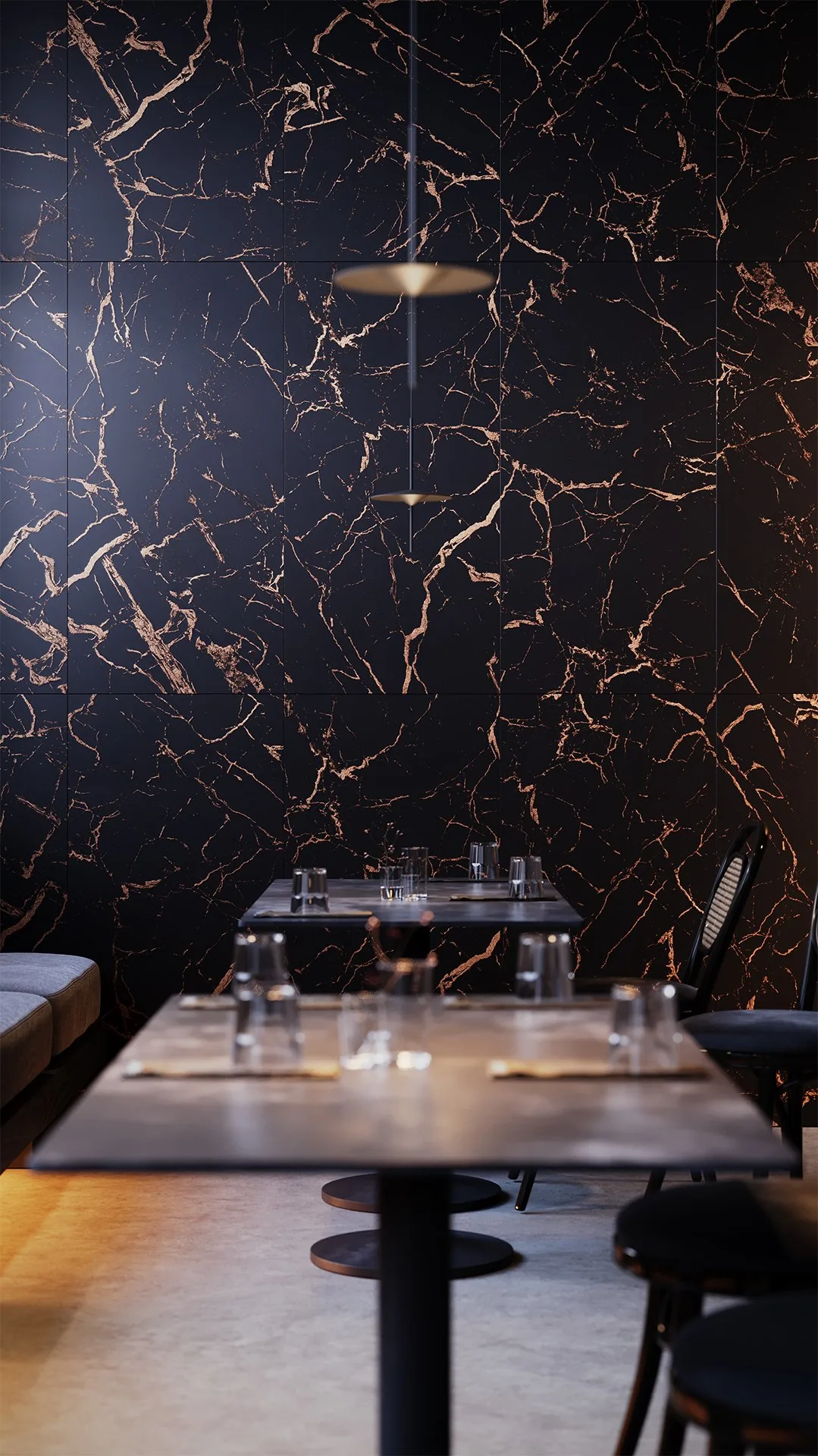
672 renders, 210 packshots and more than 56 minutes of animation. One consistent set of materials for the launch of 13 collections at once, ready to work on social media, with distributors, in print and at trade shows
The challenge
A launch on this scale isn't a render, it's a visual language
Stargres is one of Poland's leading porcelain stoneware manufacturers. A brand from Końskie whose collections reach distributors, DIY chains and showrooms in Poland and abroad. In spring 2026 it was bringing 13 new collections to market at once: from the Elements series, drawn from the forces of nature, through the modernist Dessau, to reinterpretations of onyx and travertine in the Kyanit and Aragonit collections.
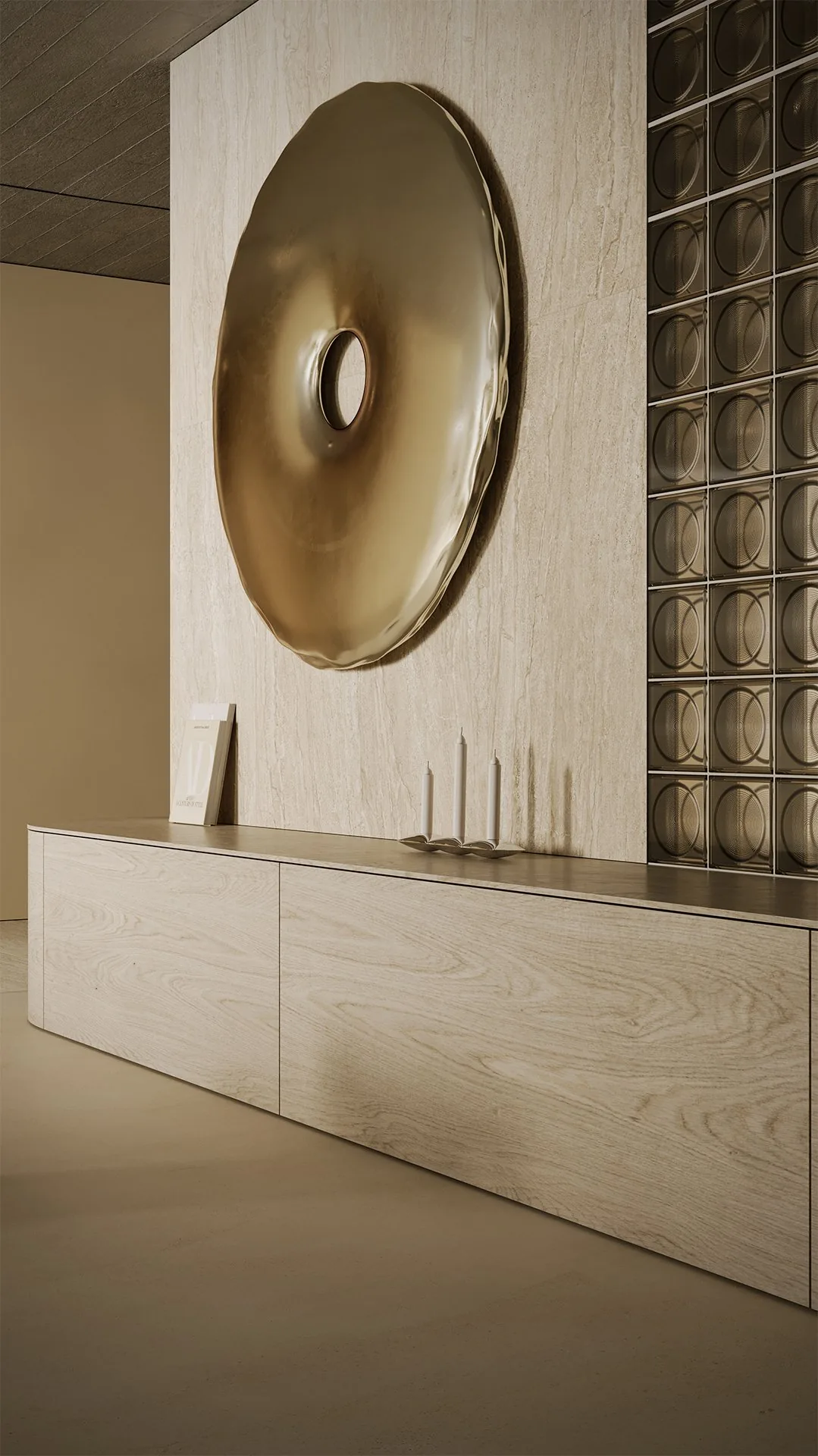
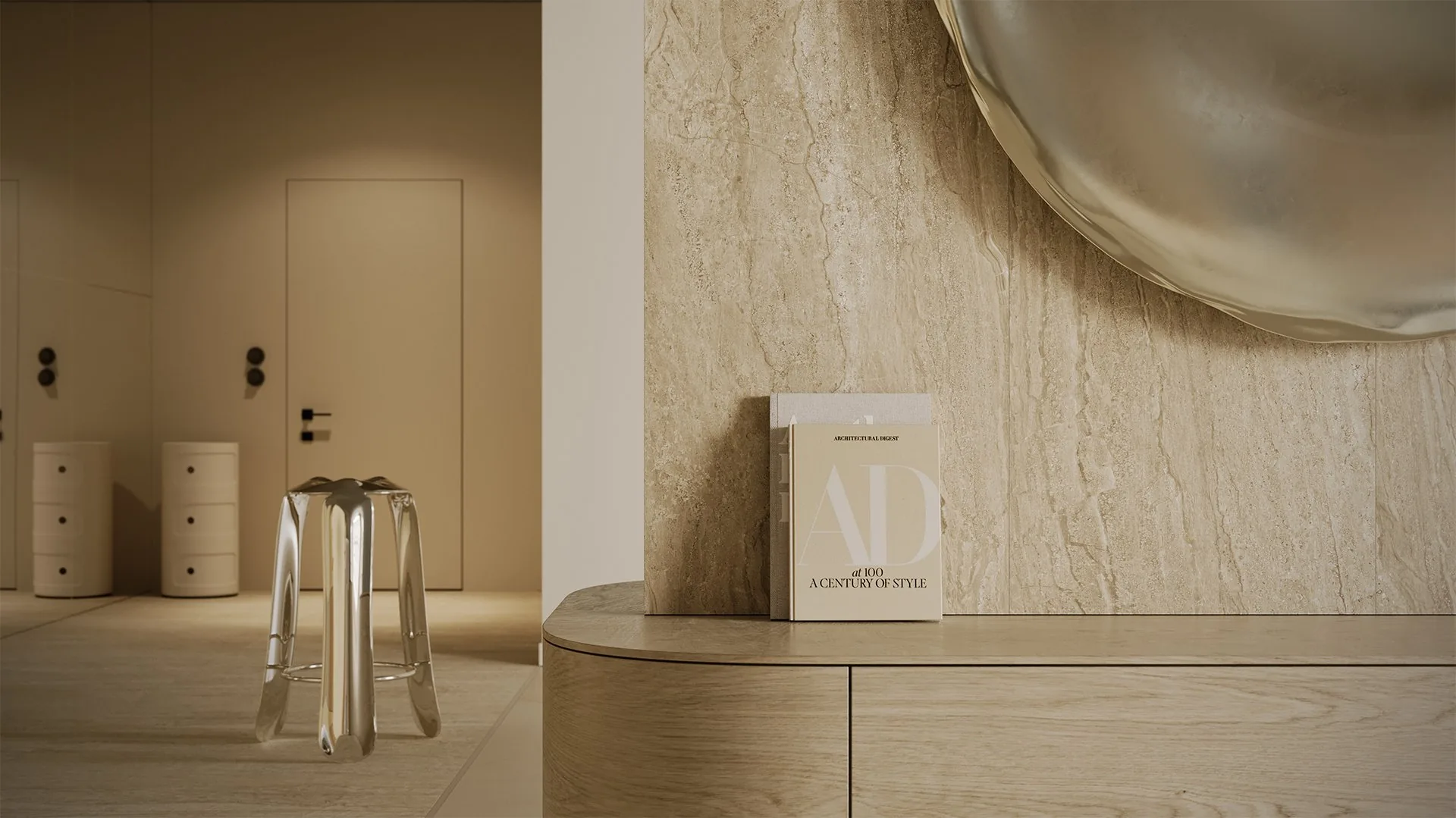
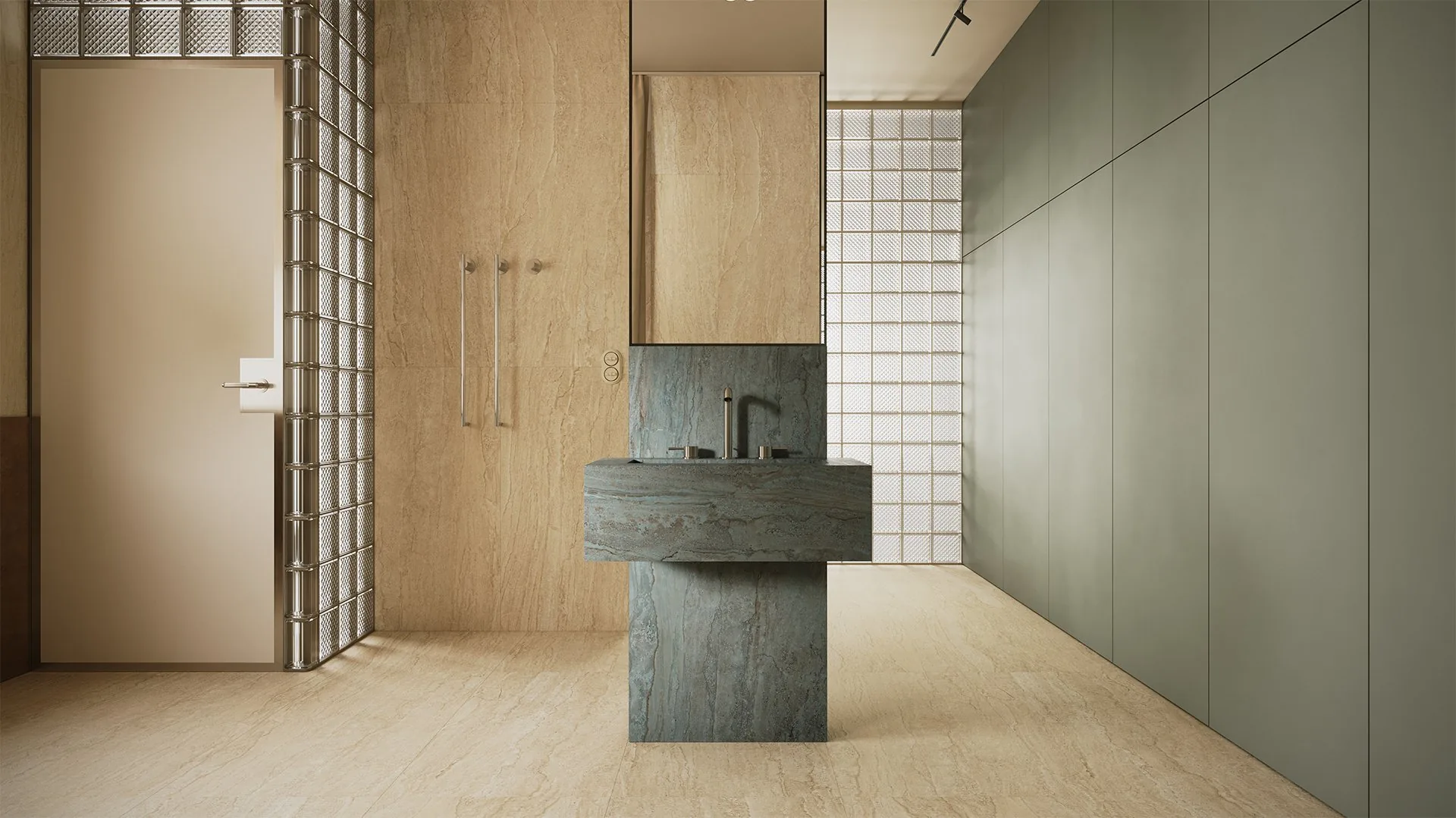
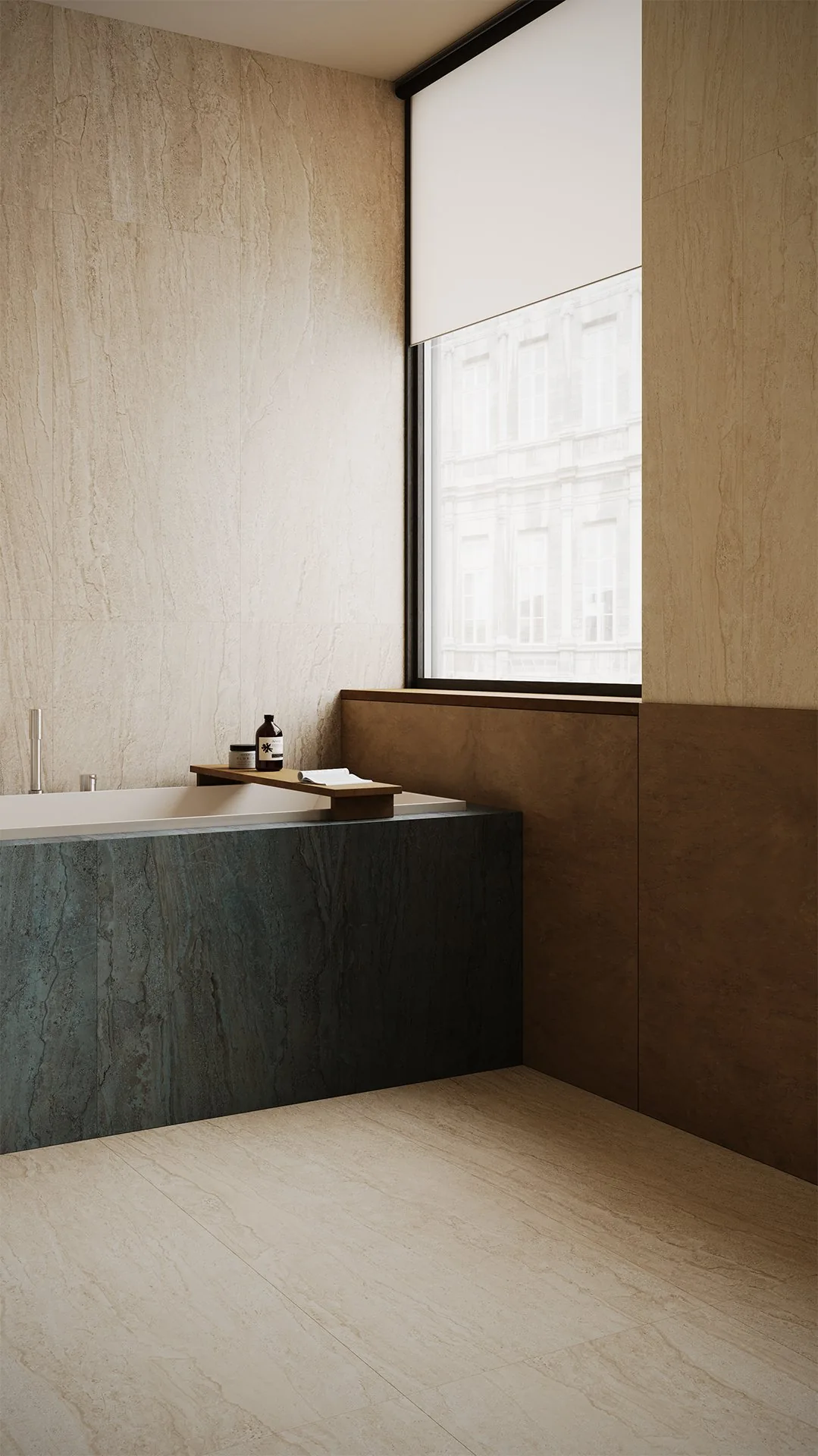
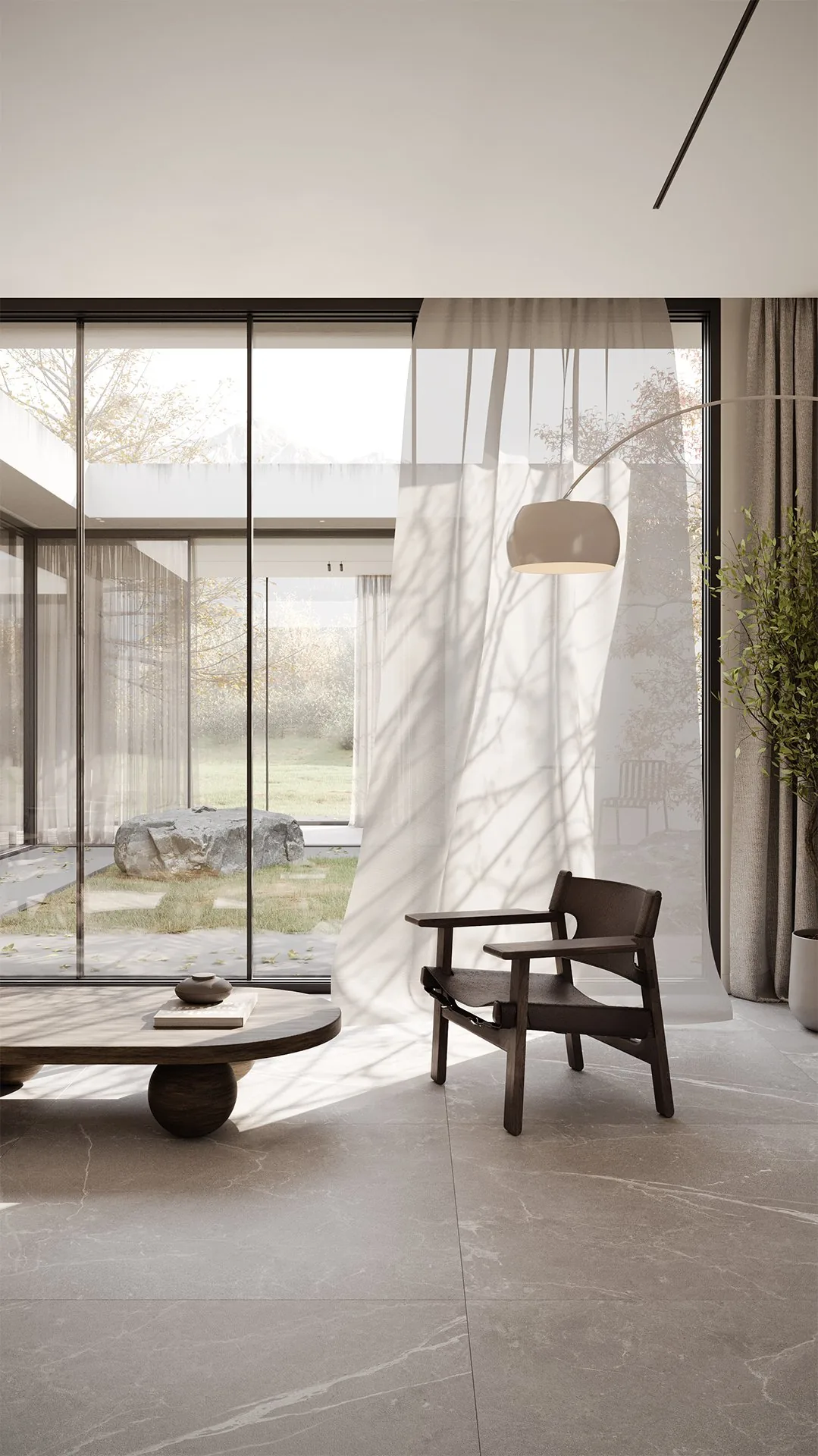
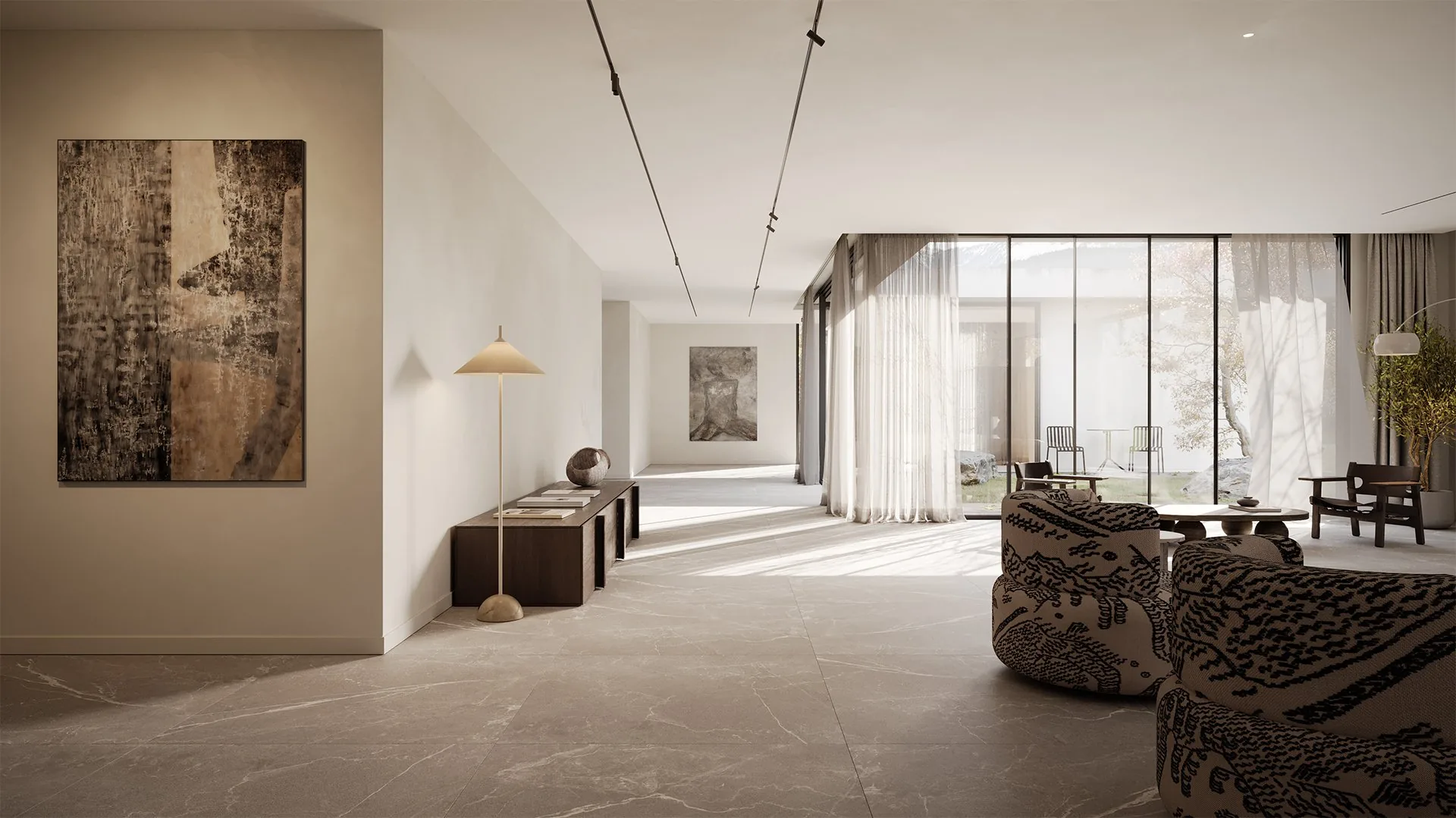
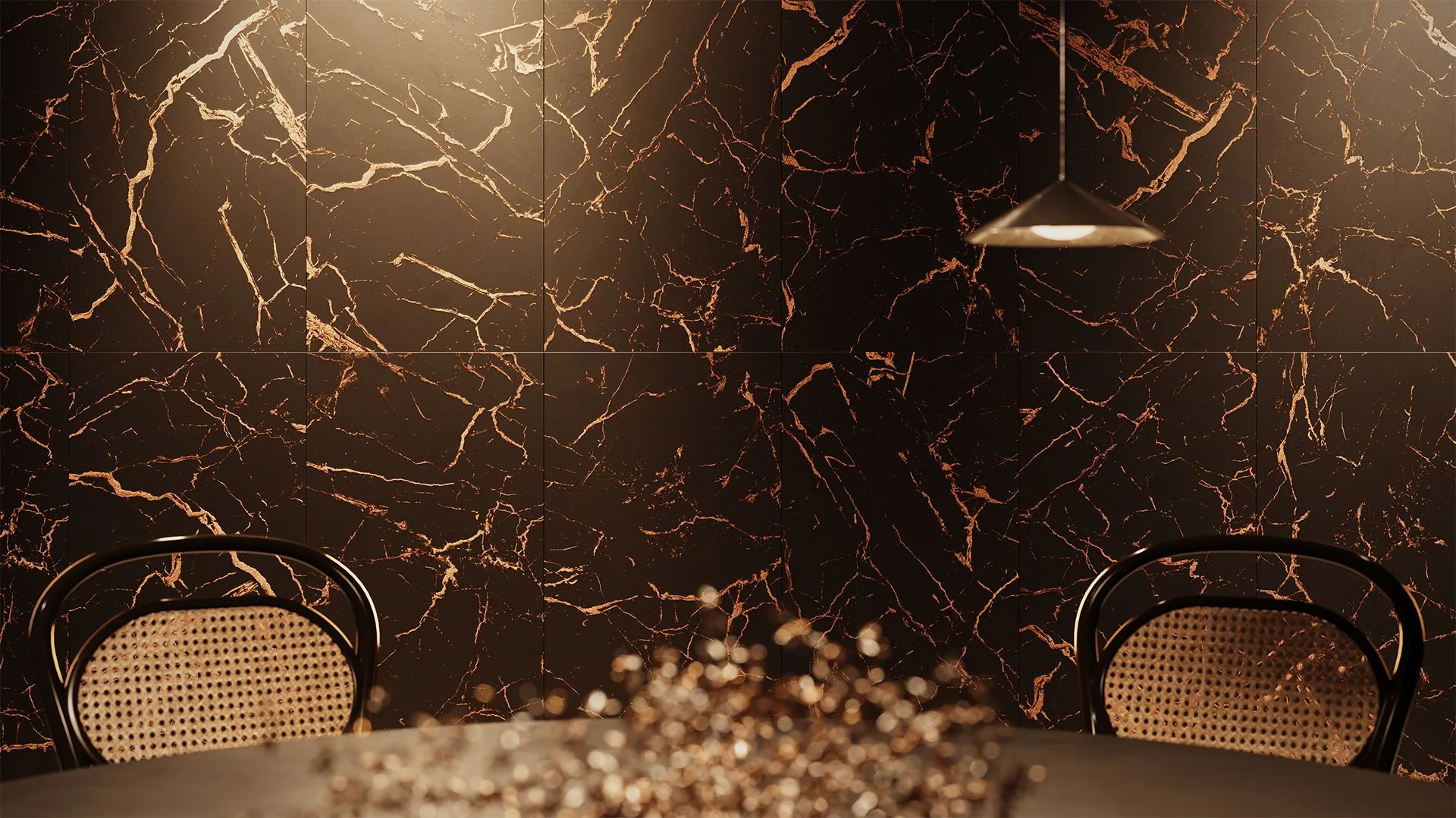
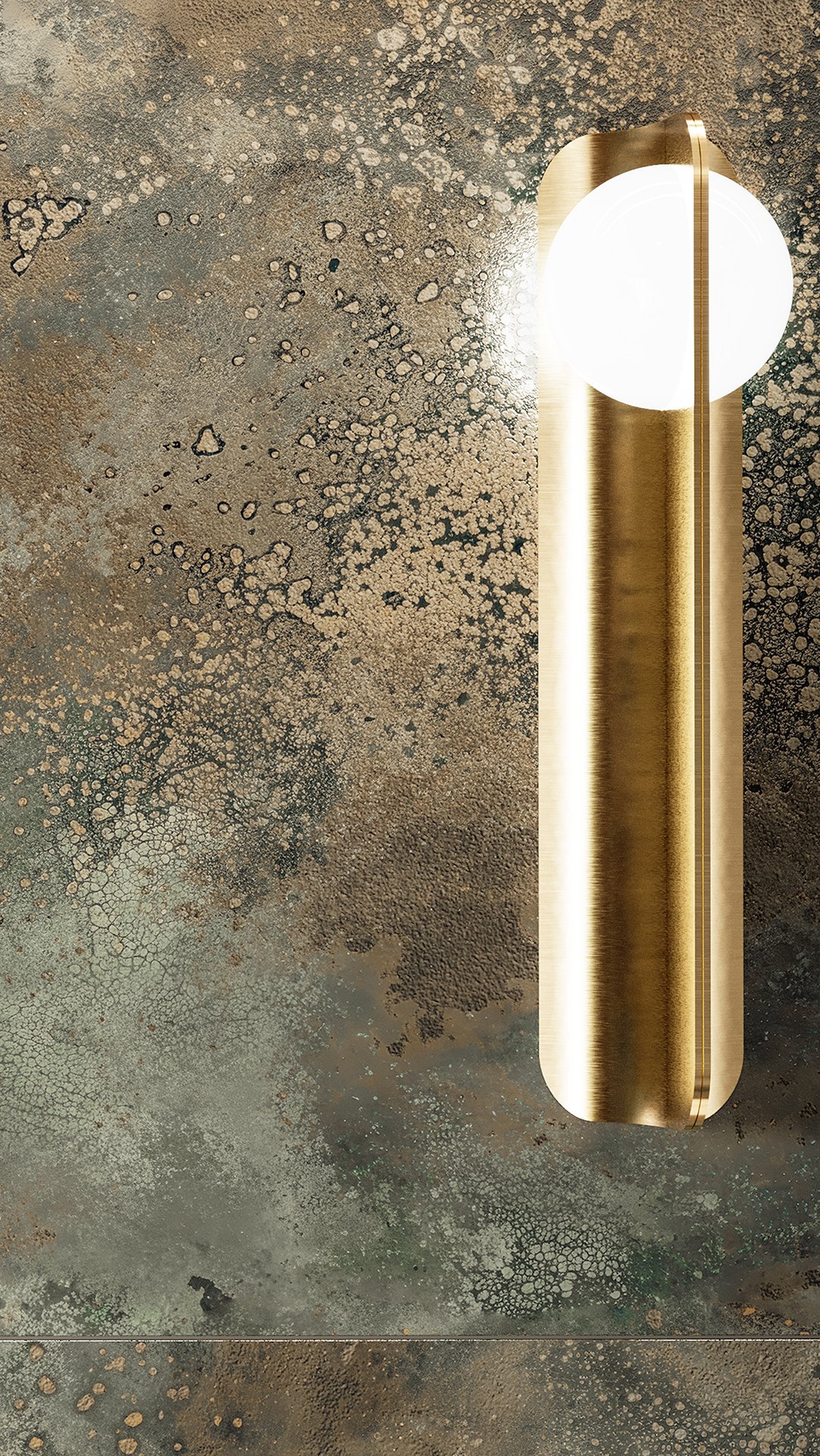
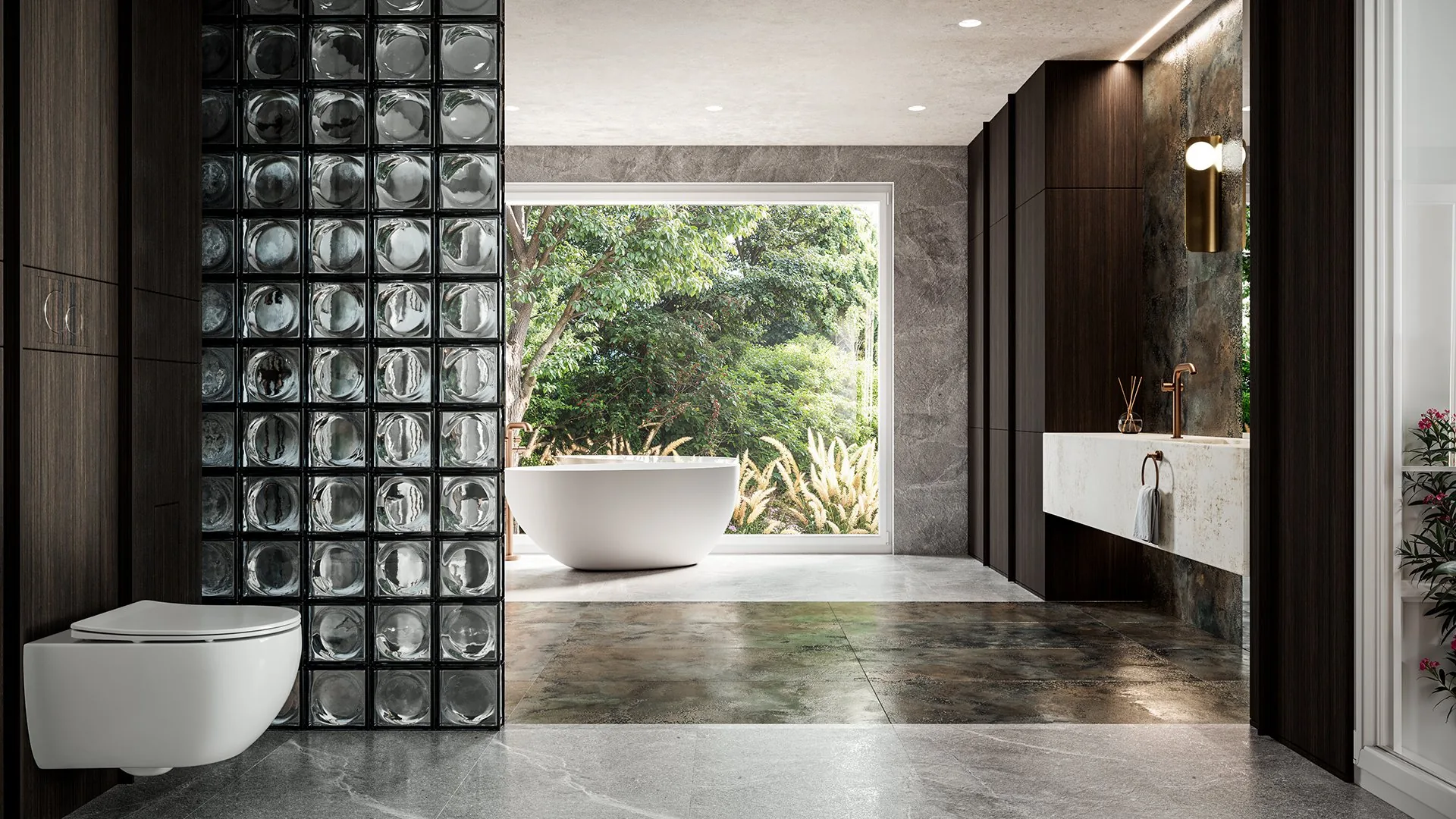
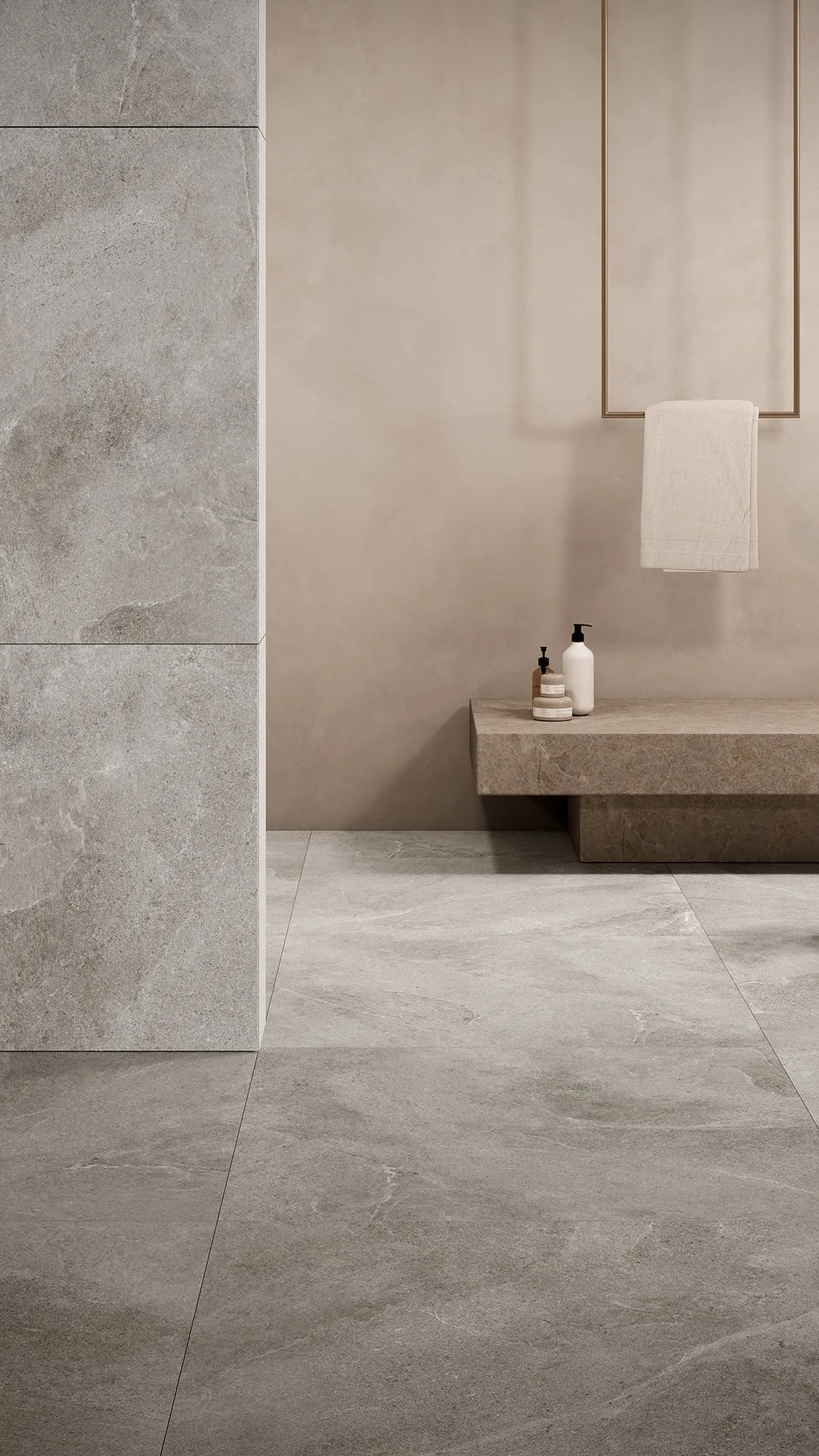
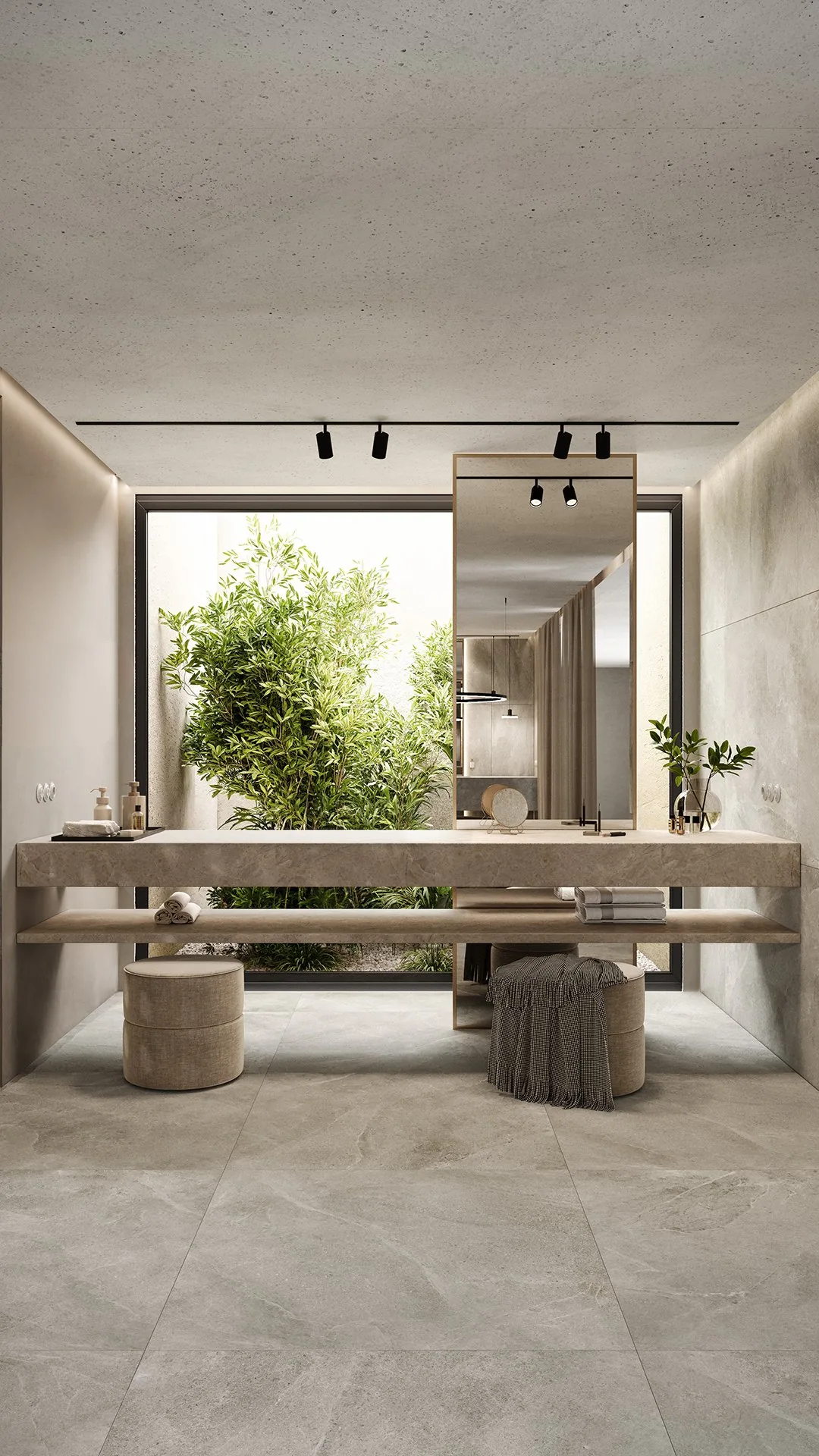
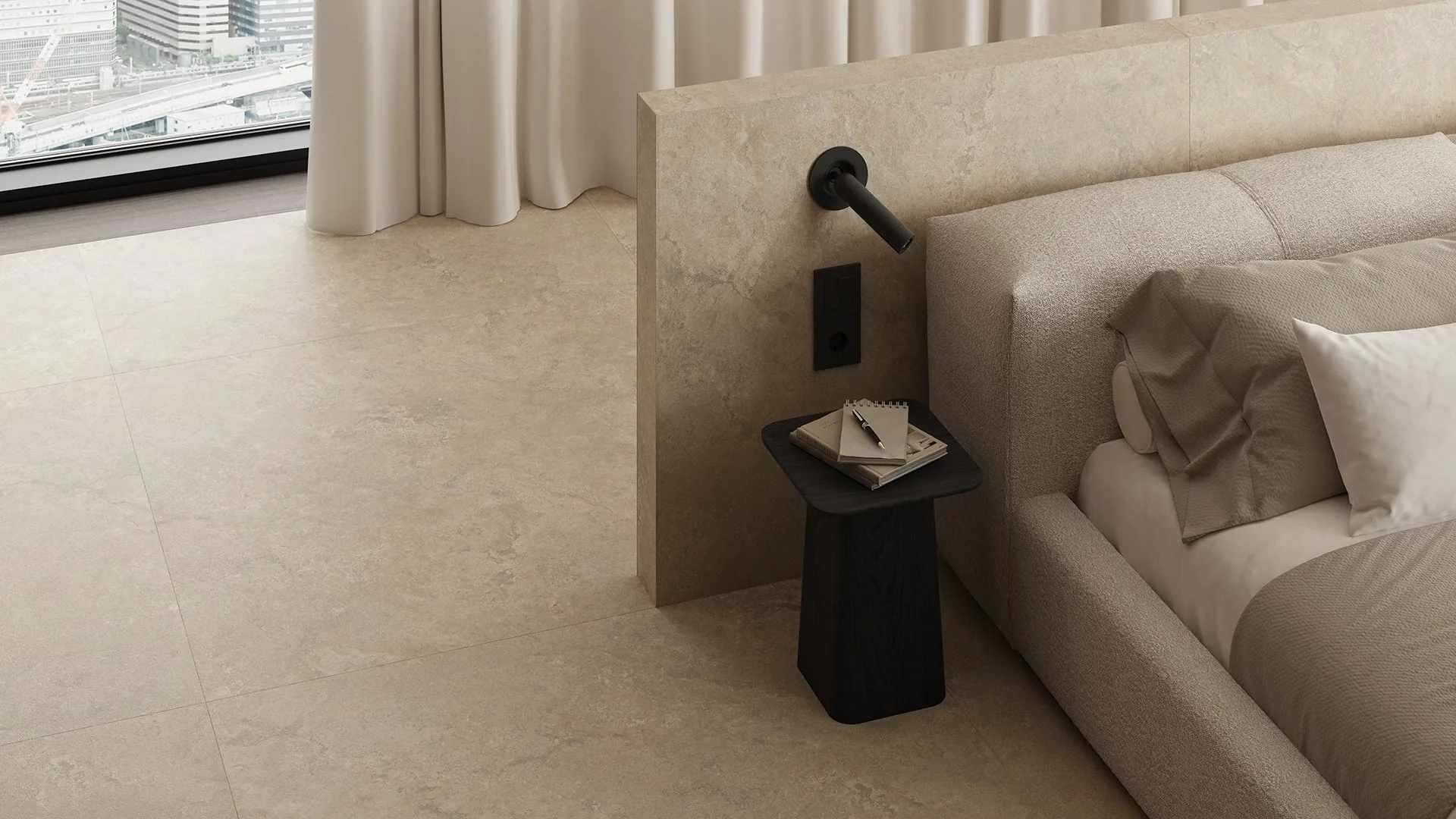
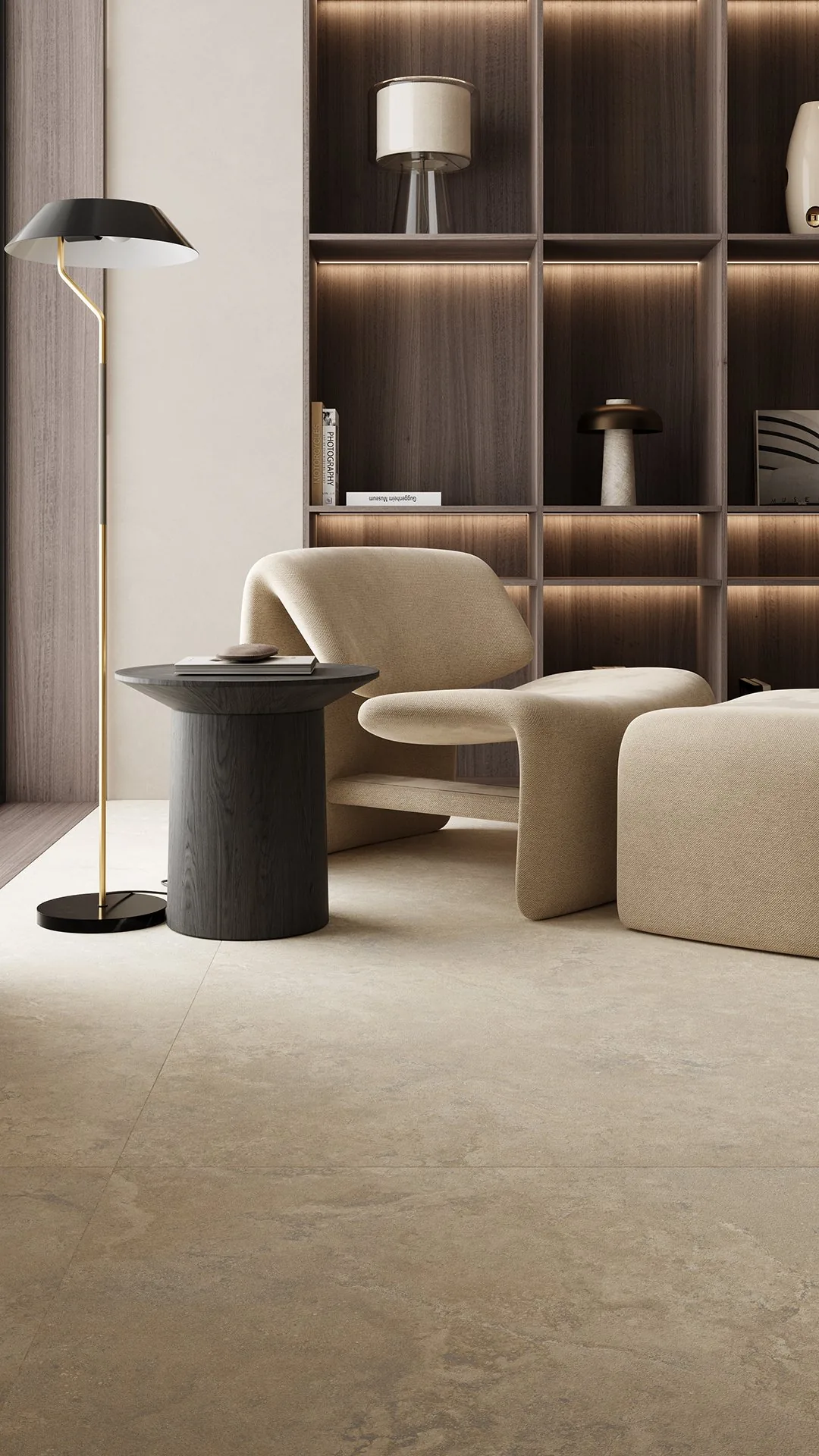
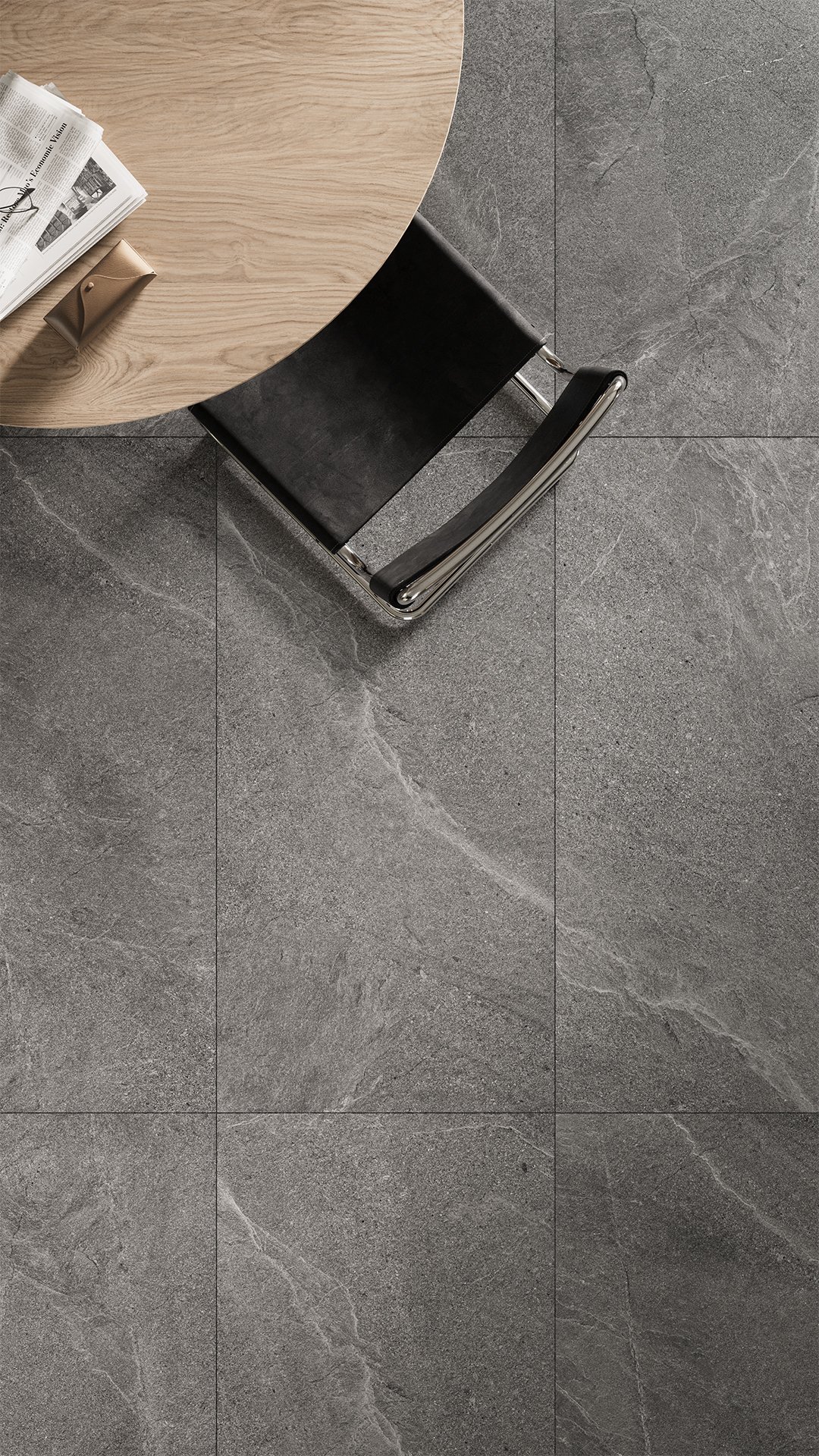
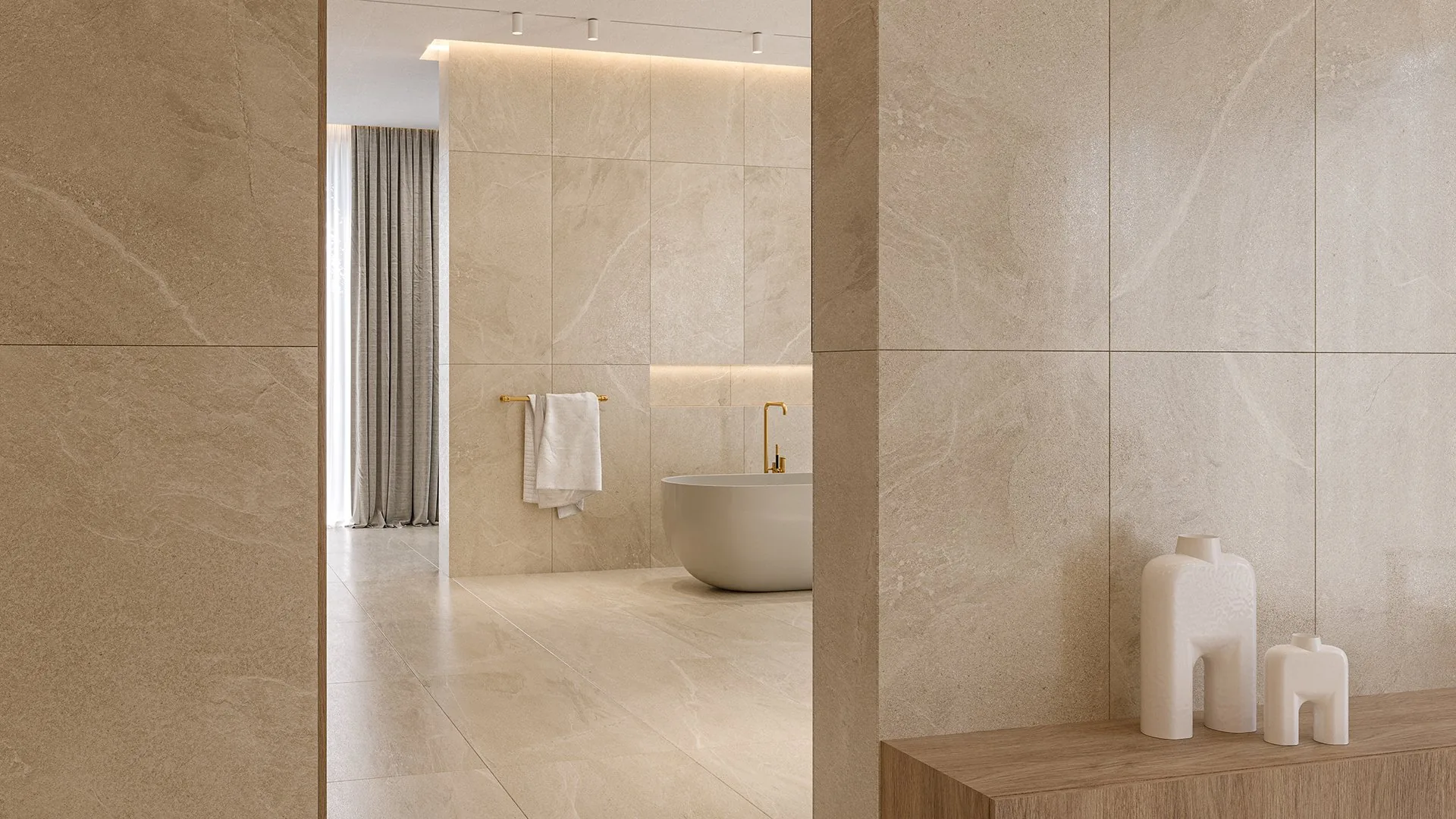
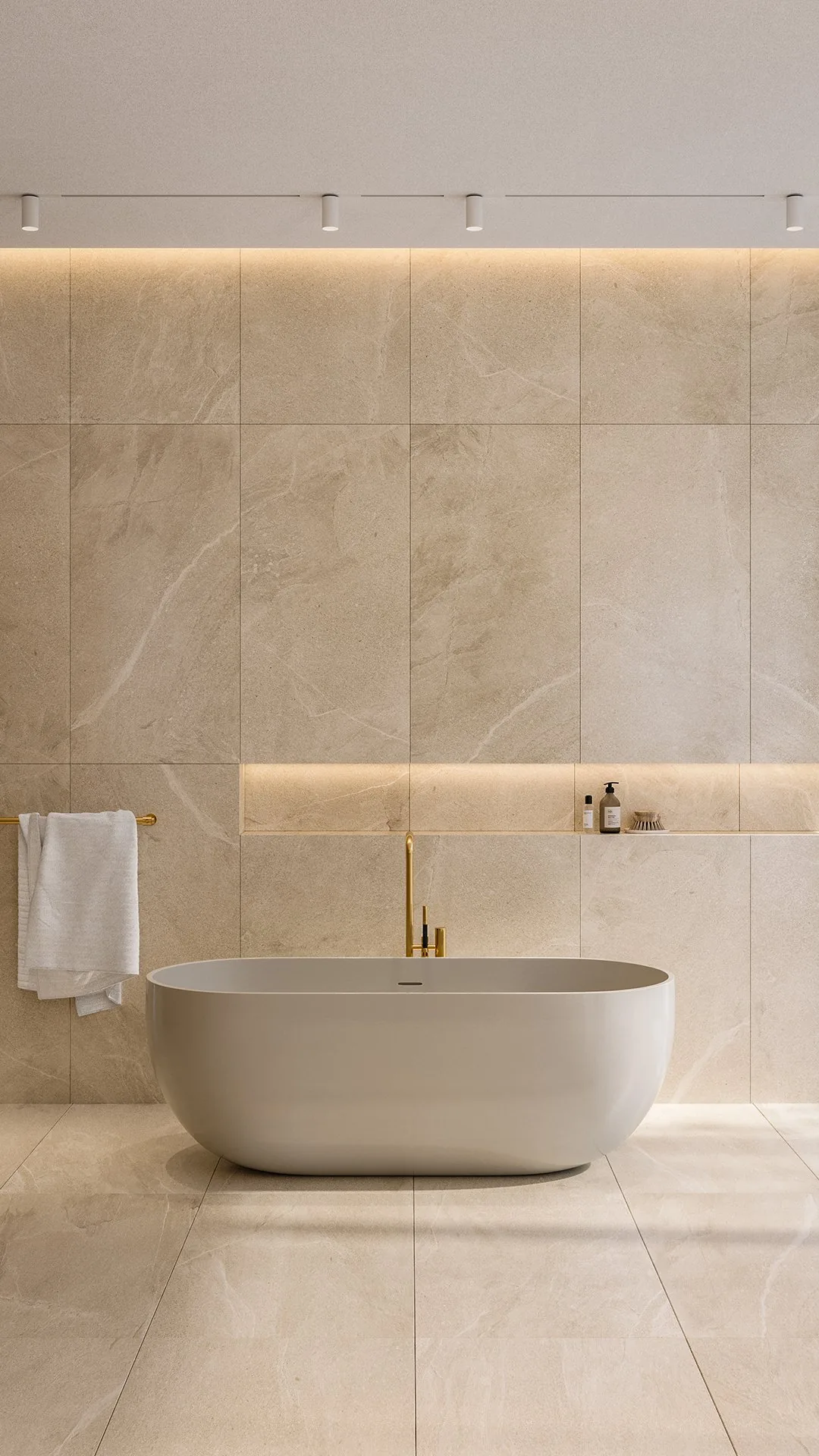
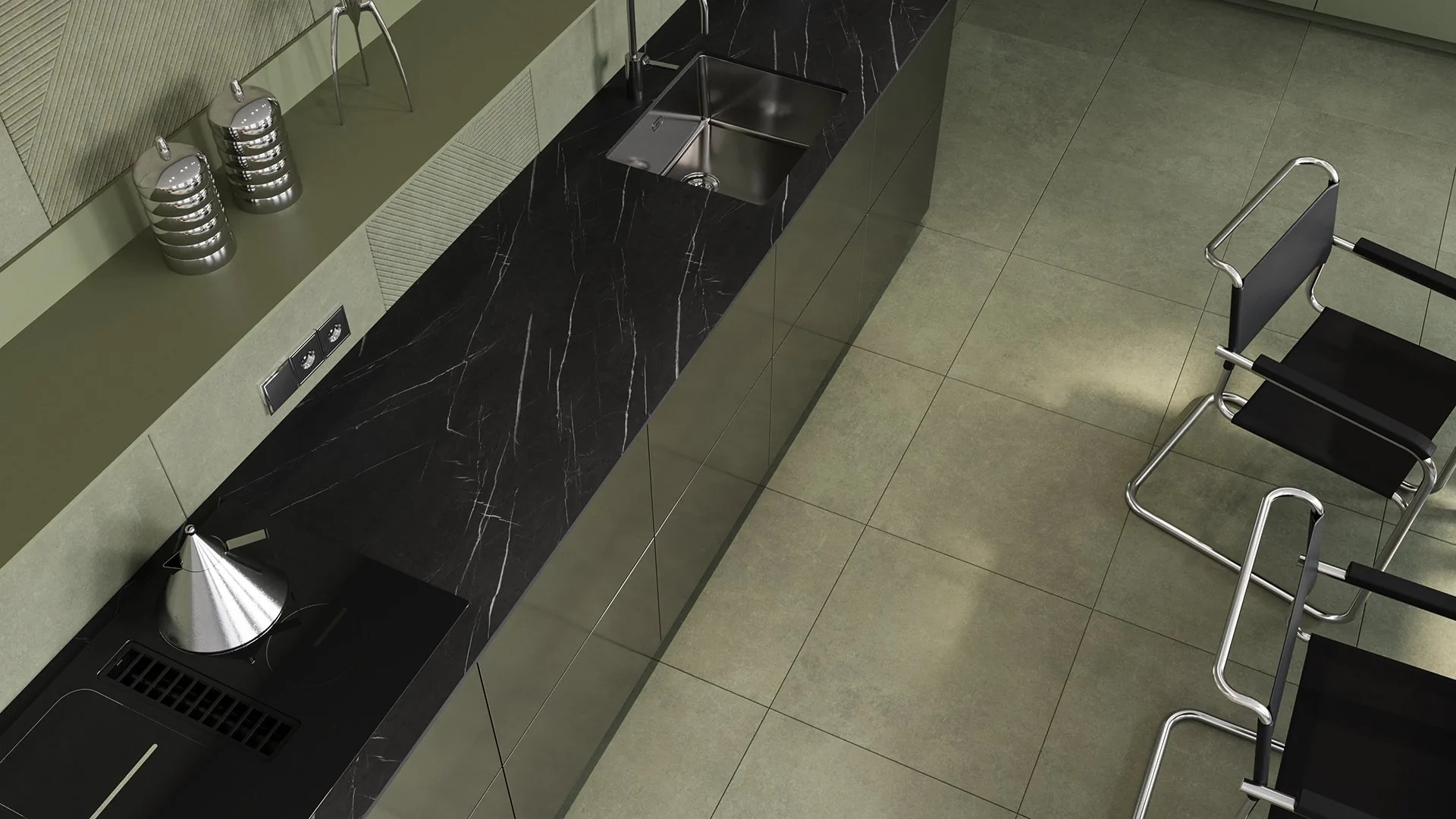
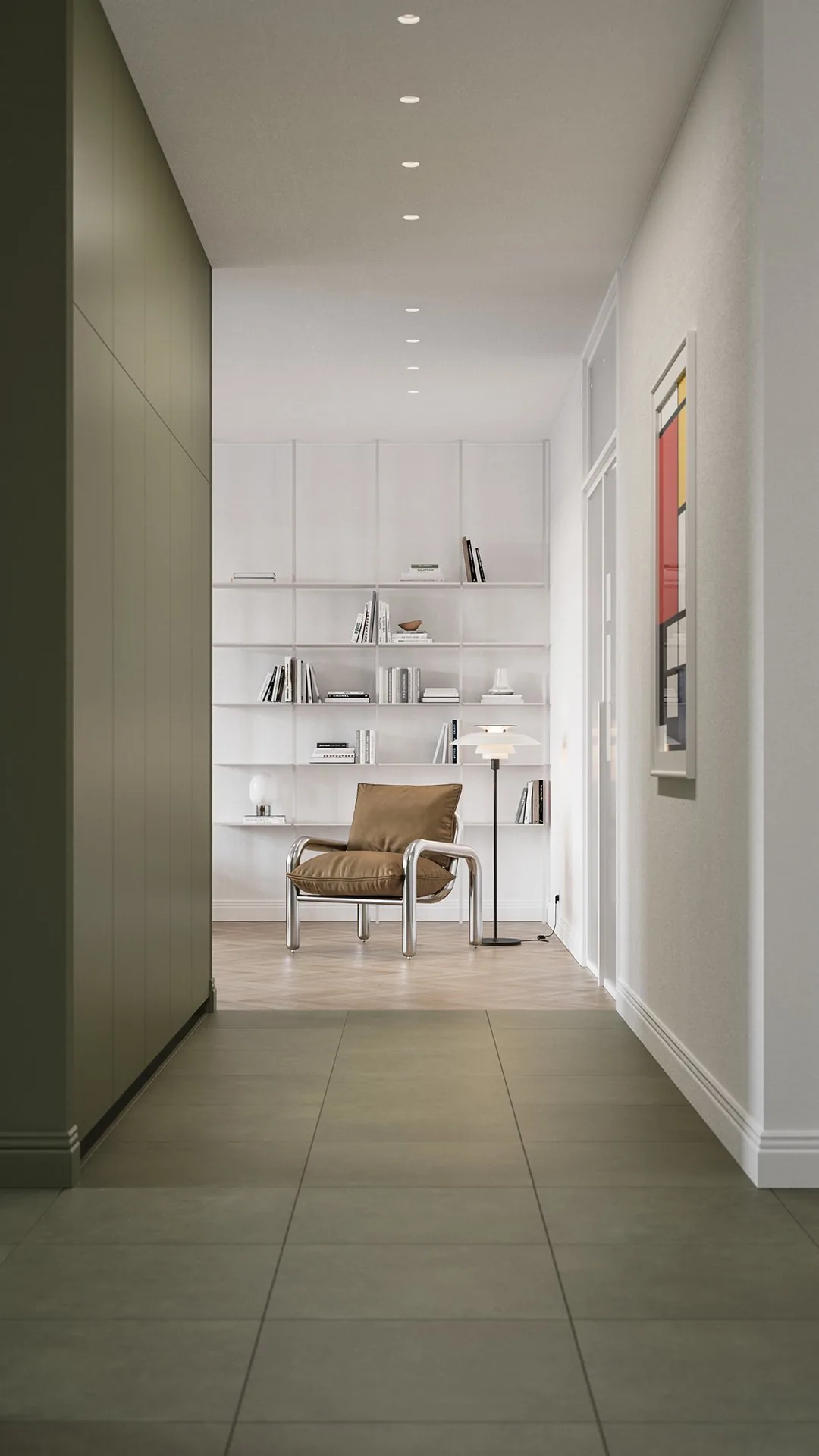
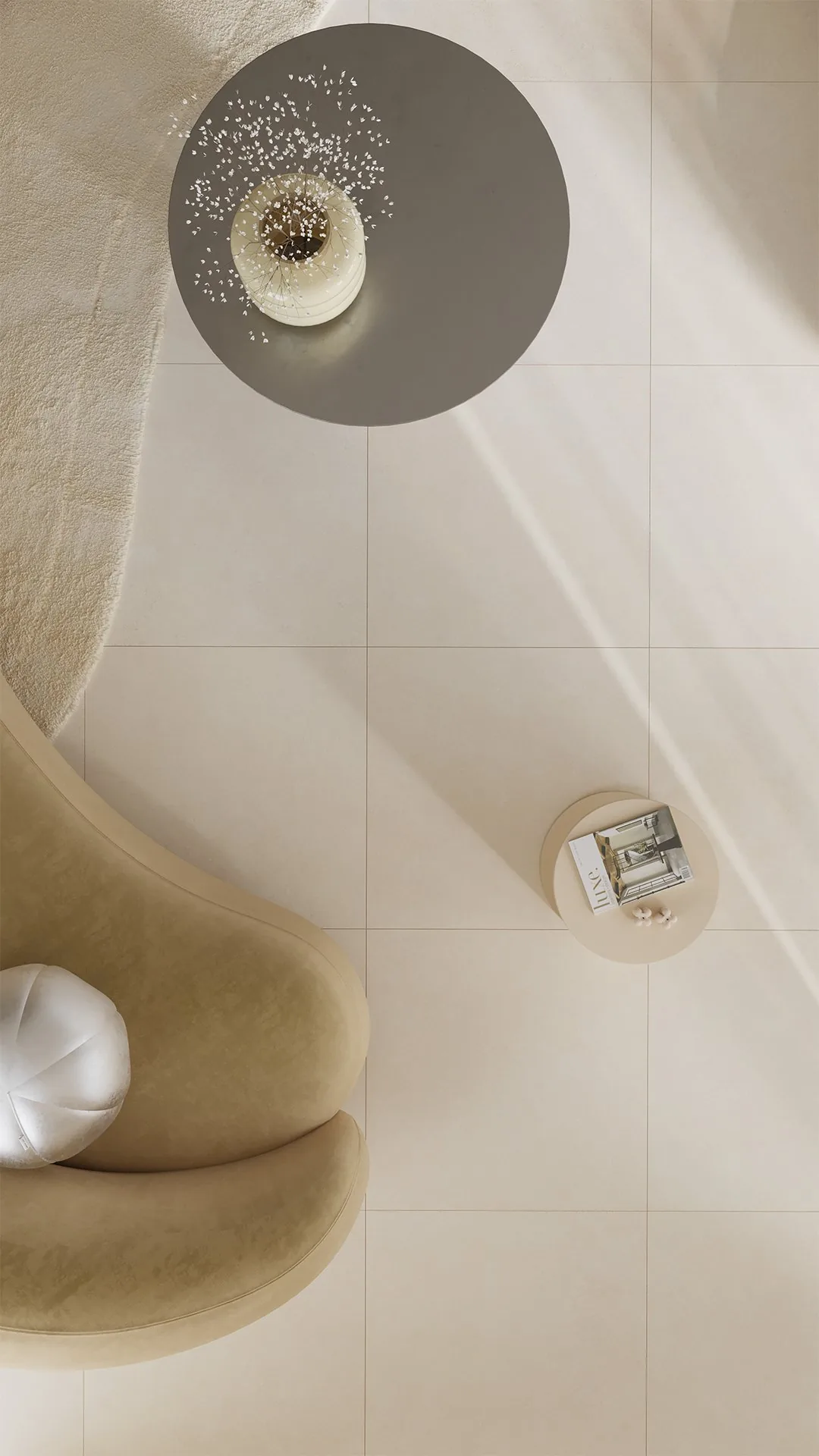
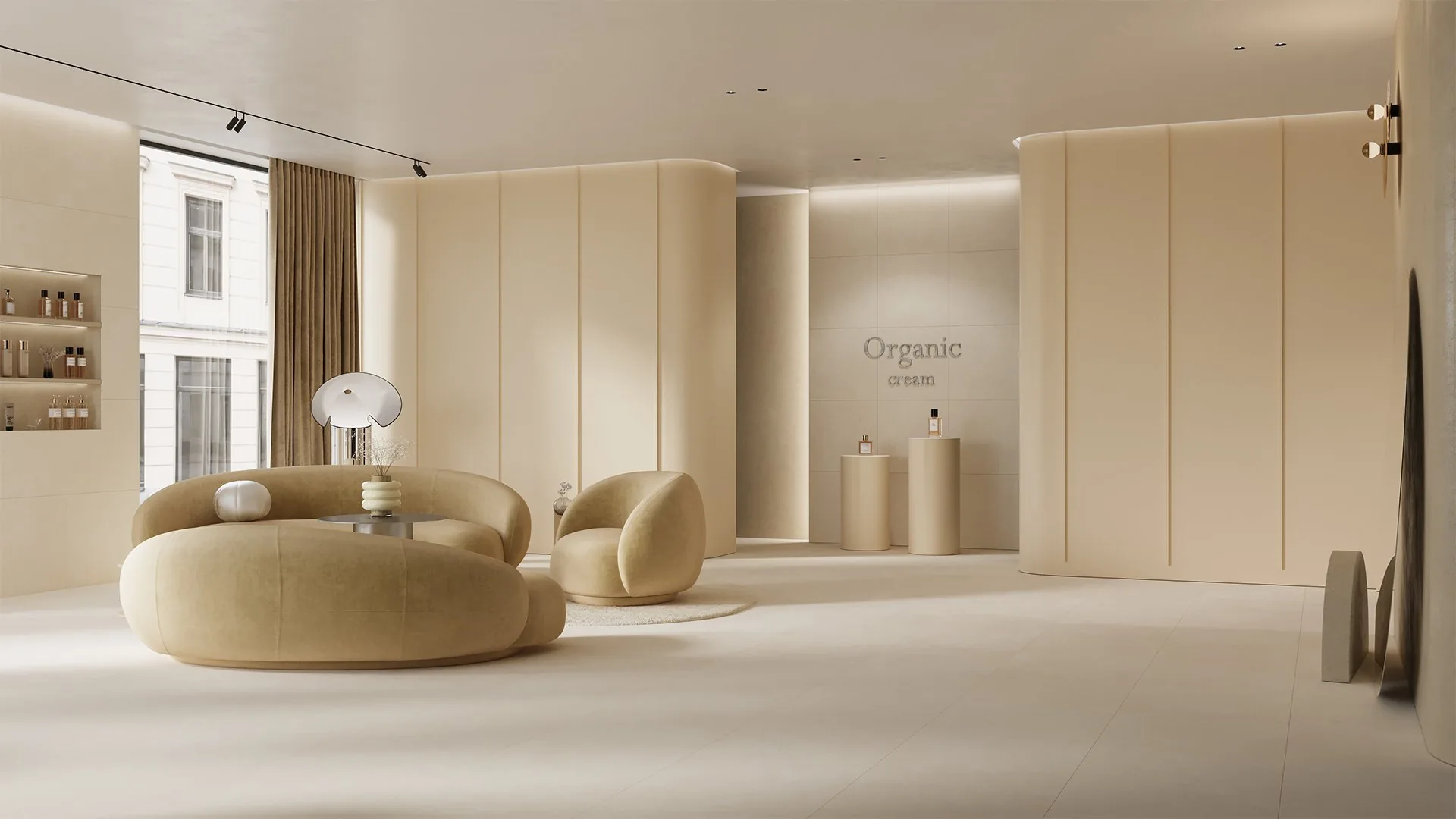
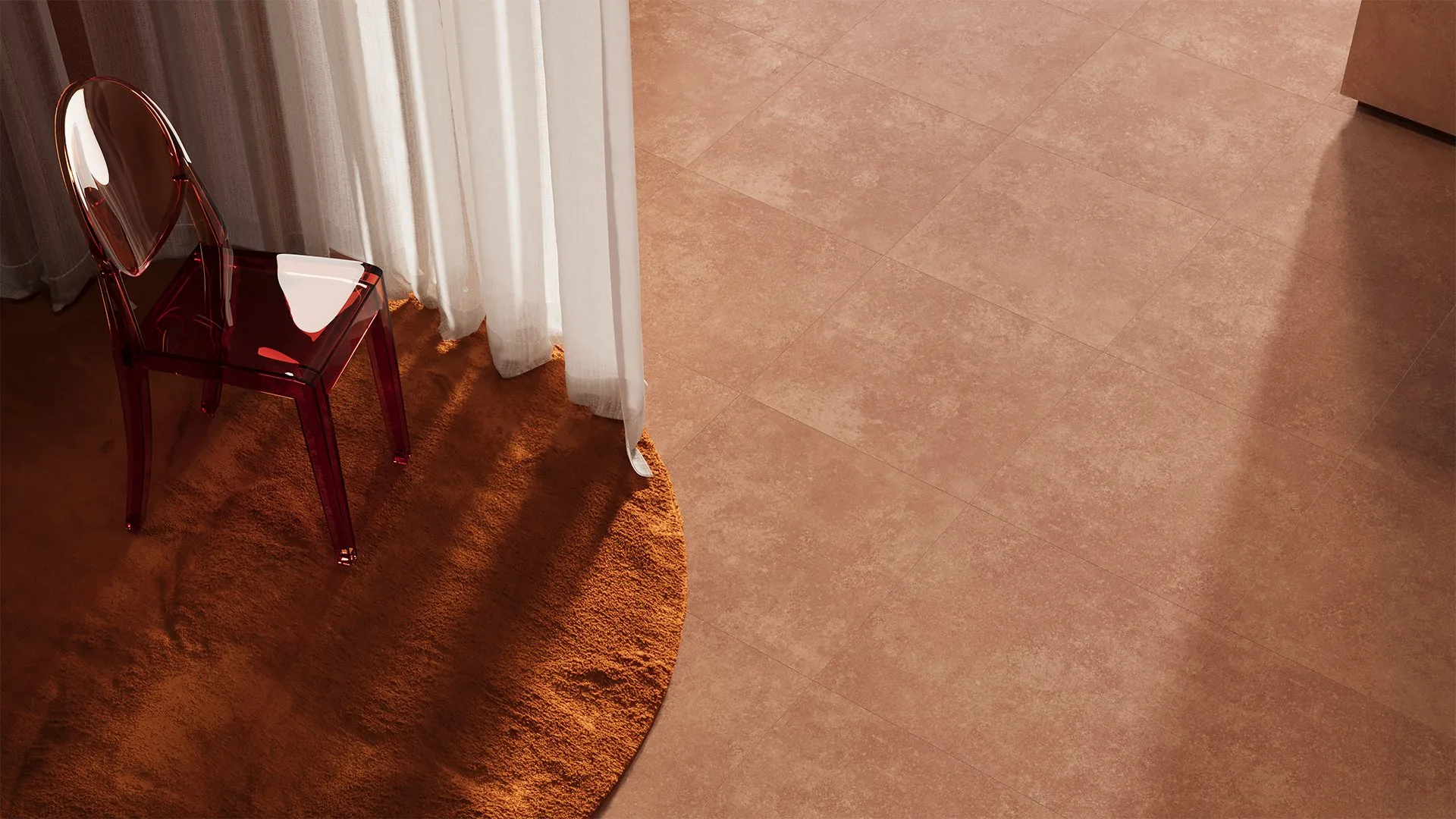
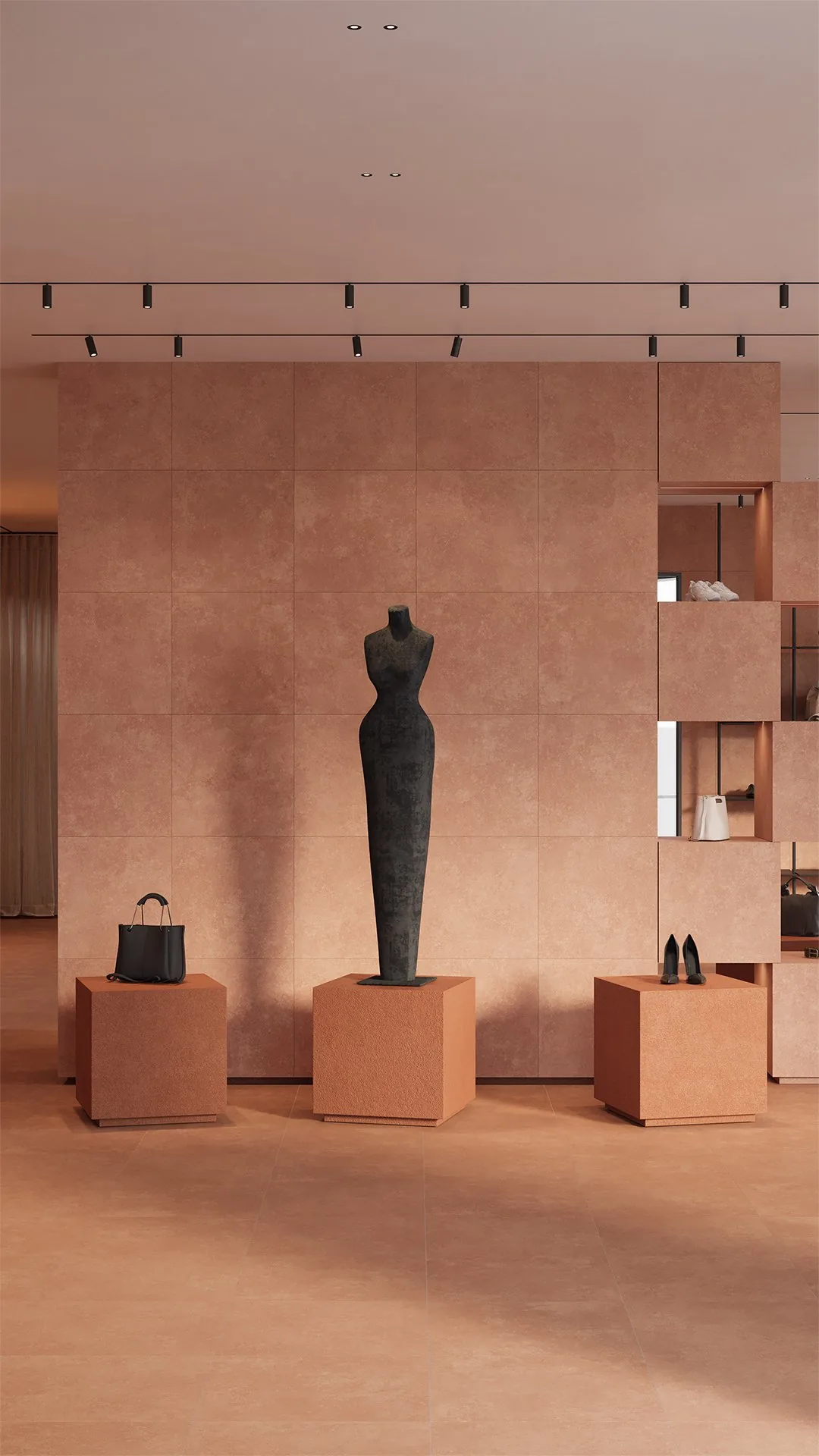
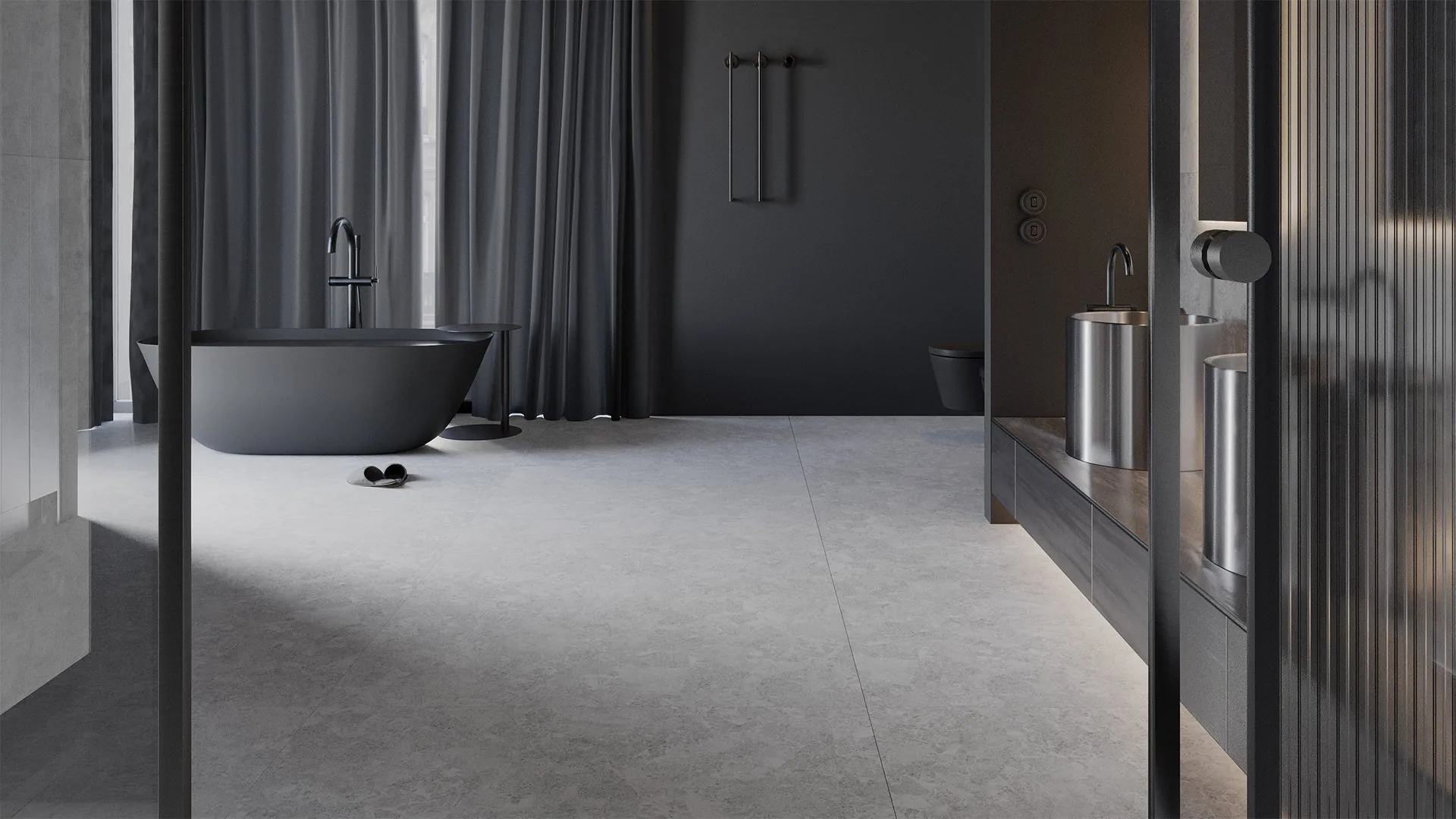
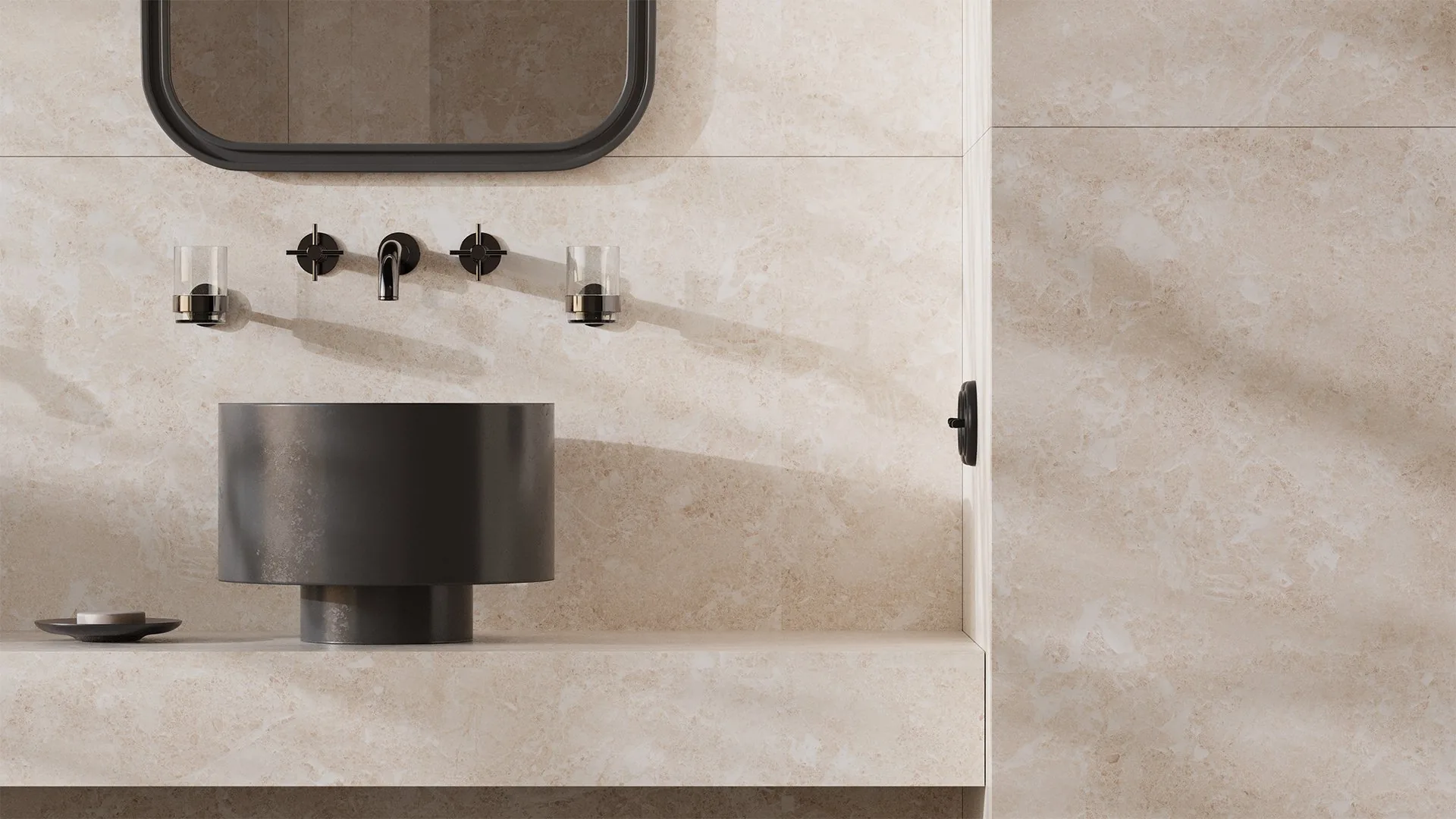
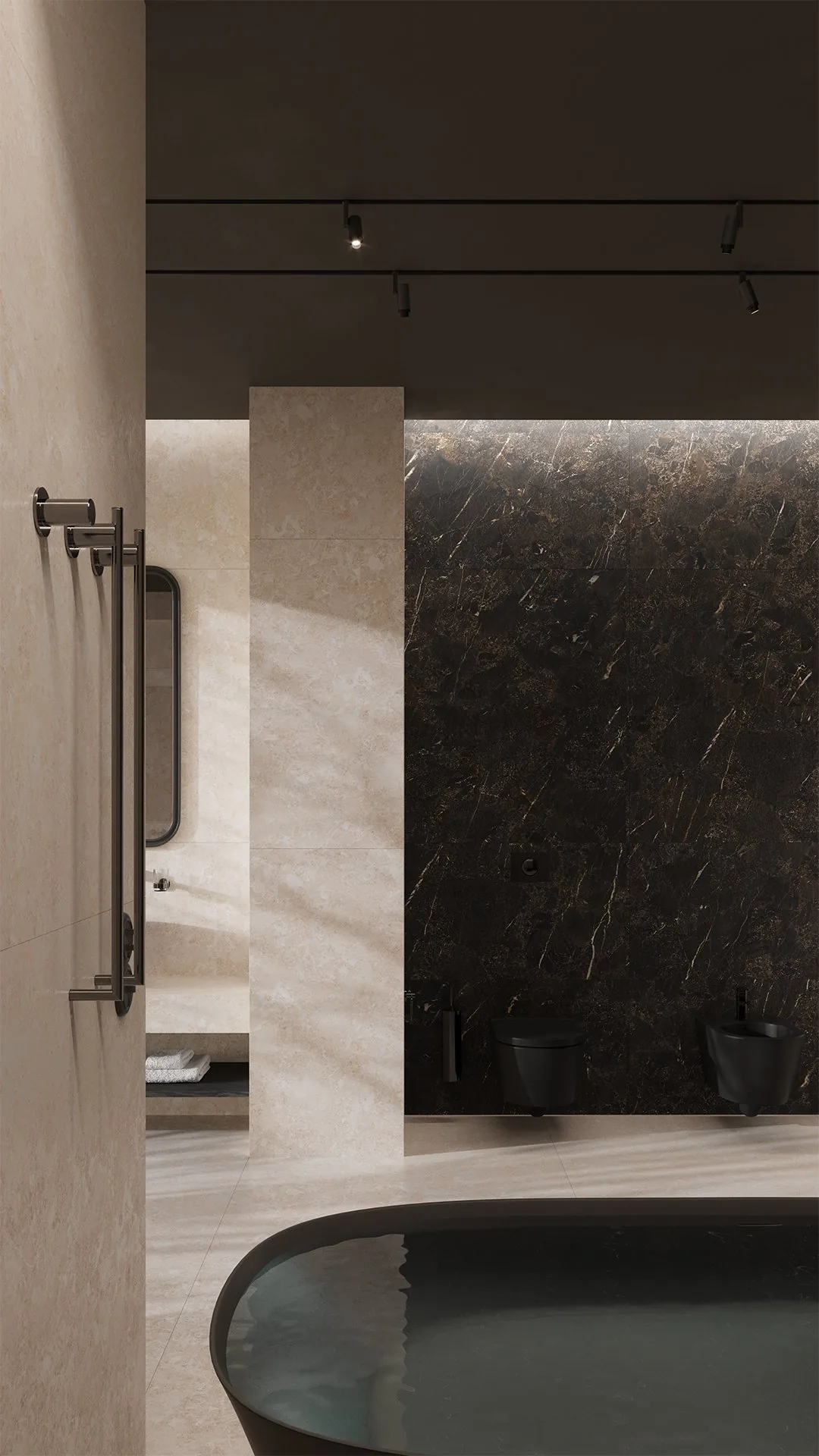
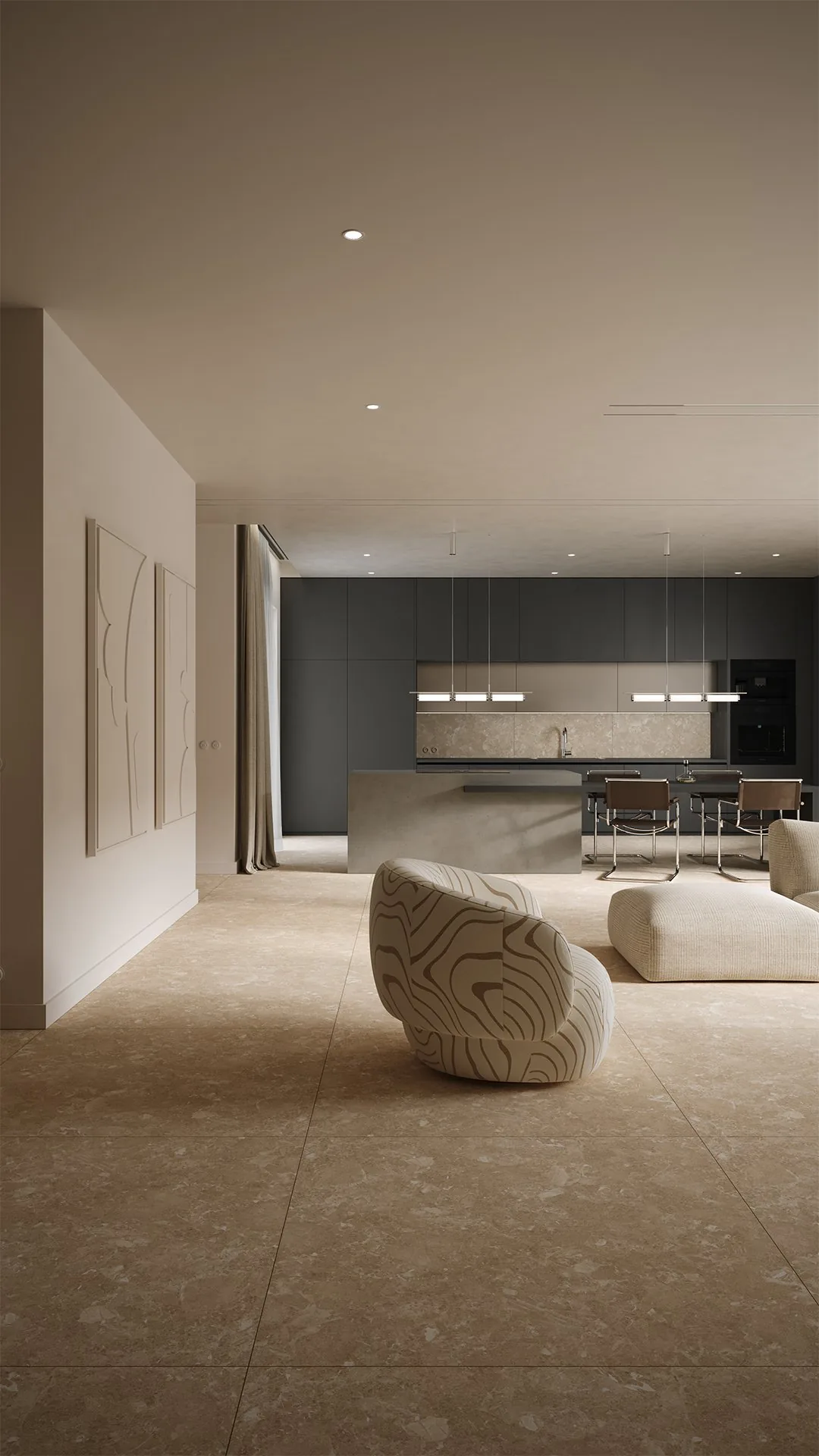
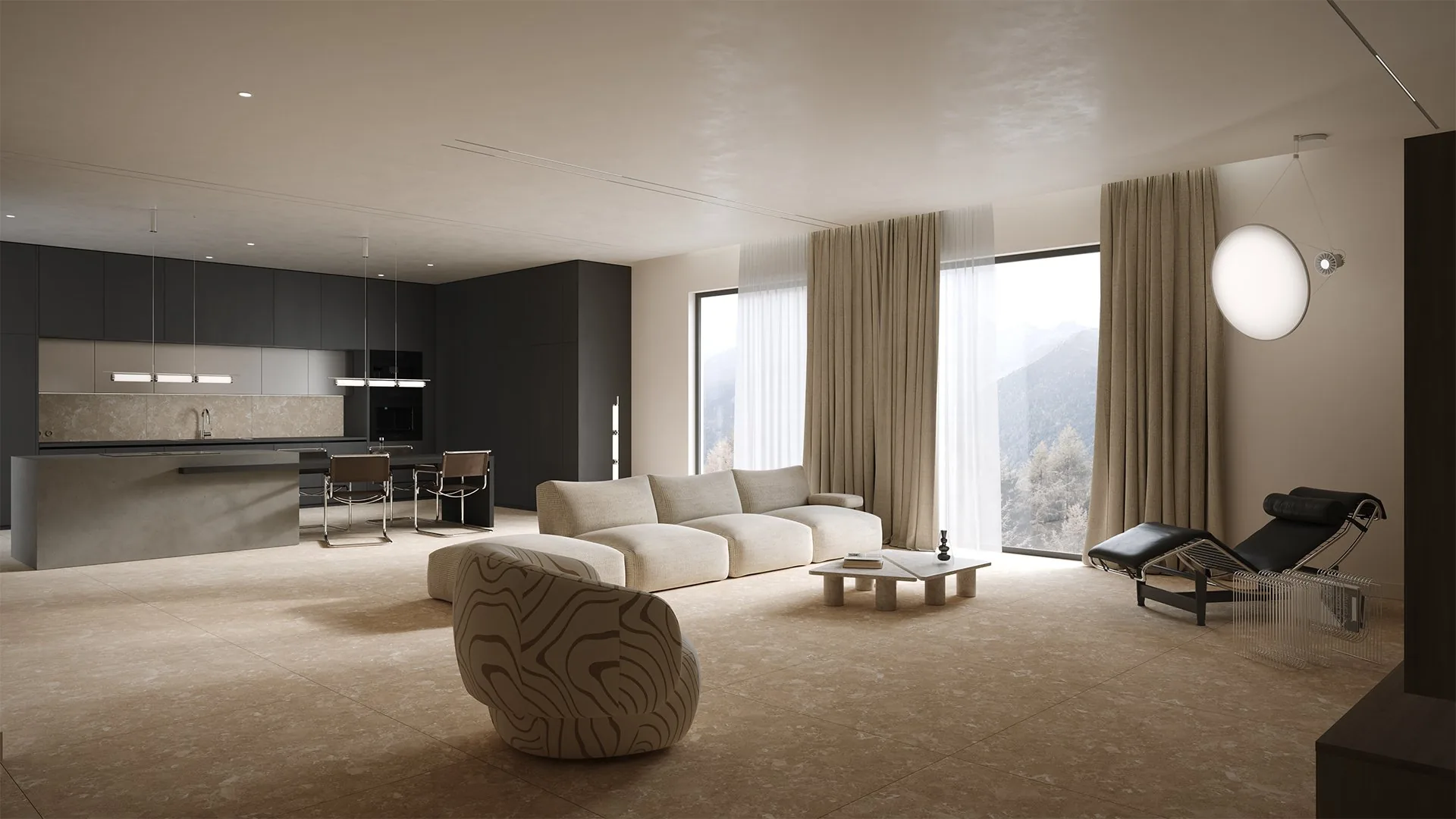
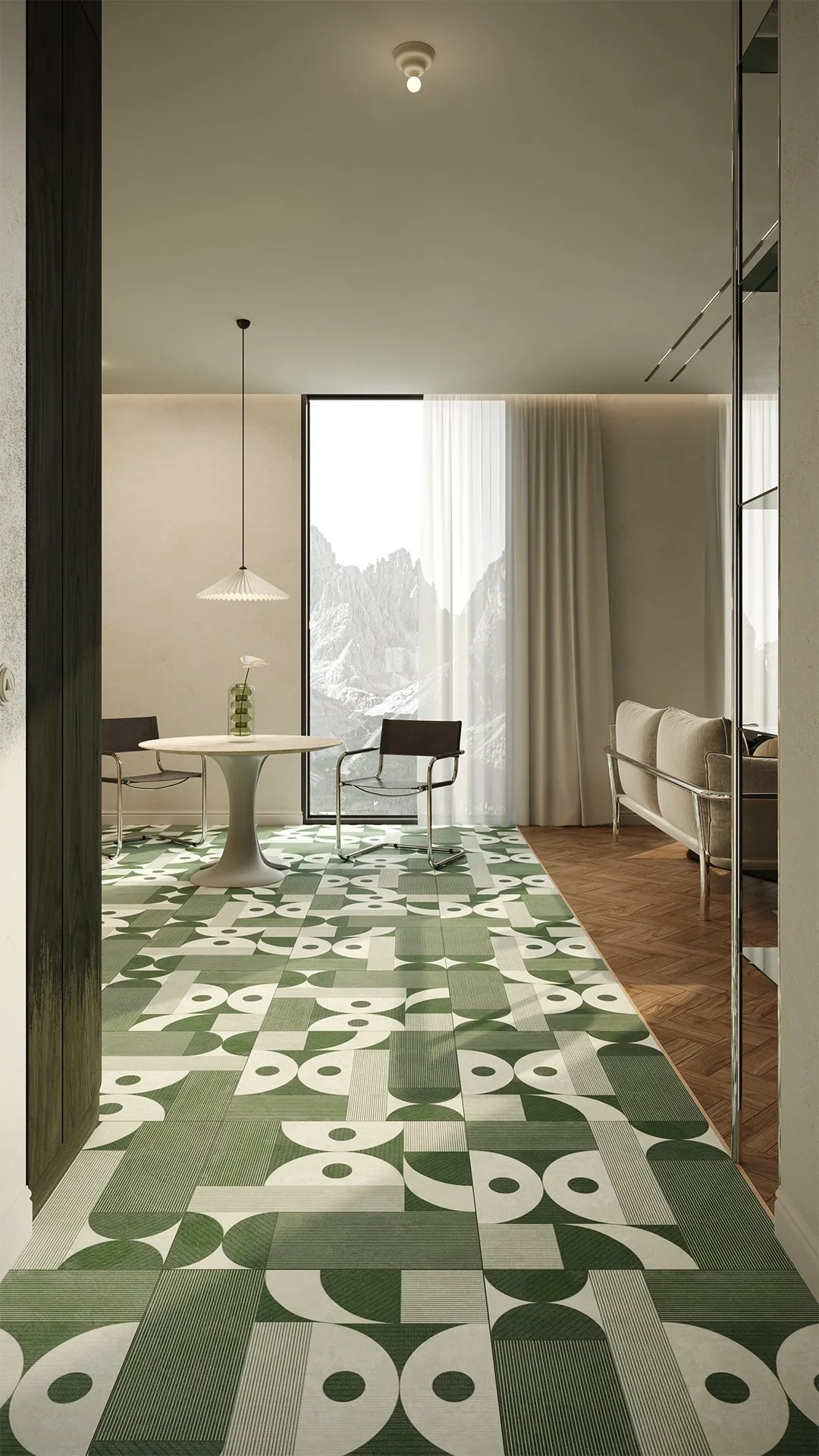
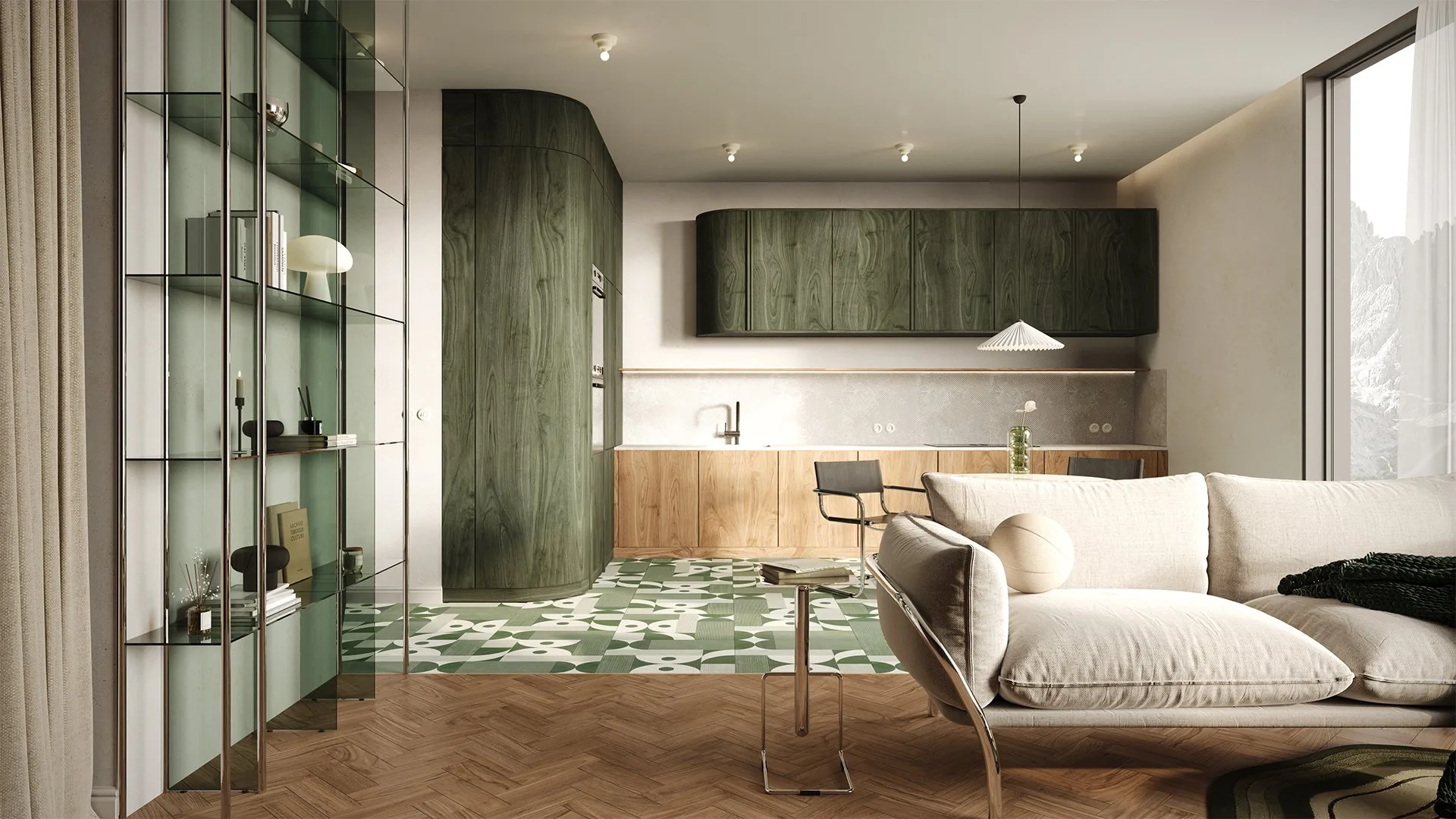
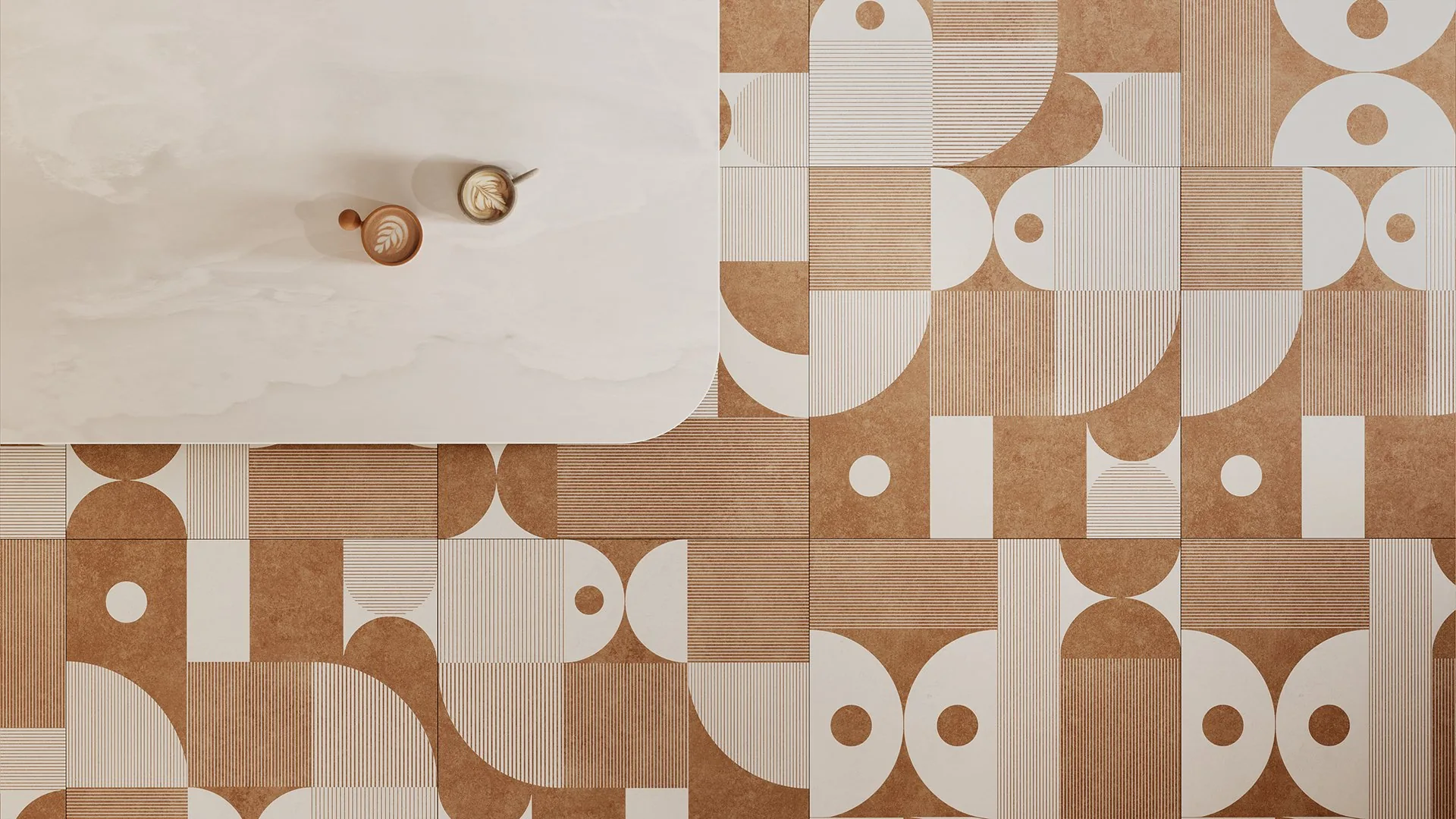
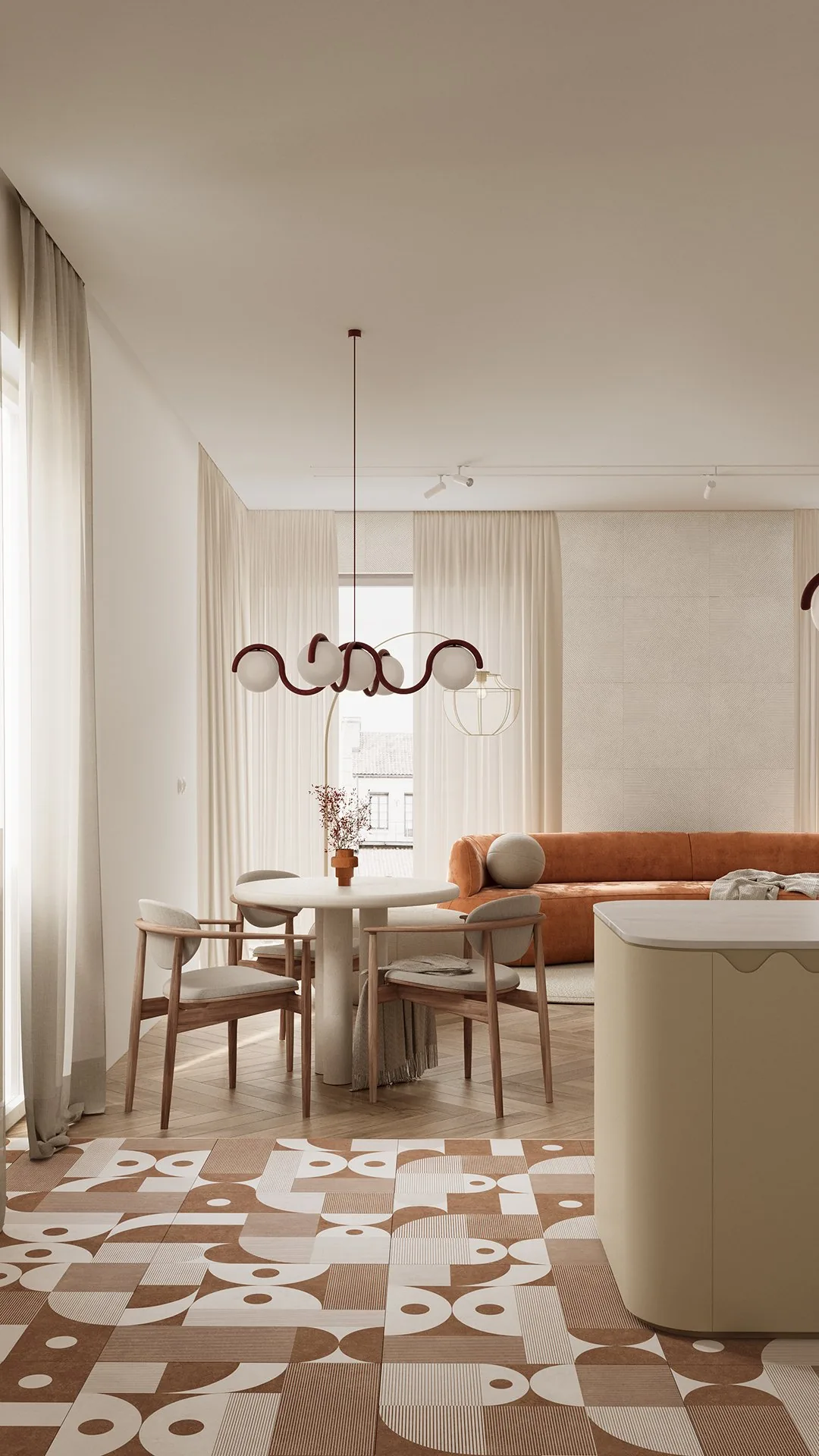
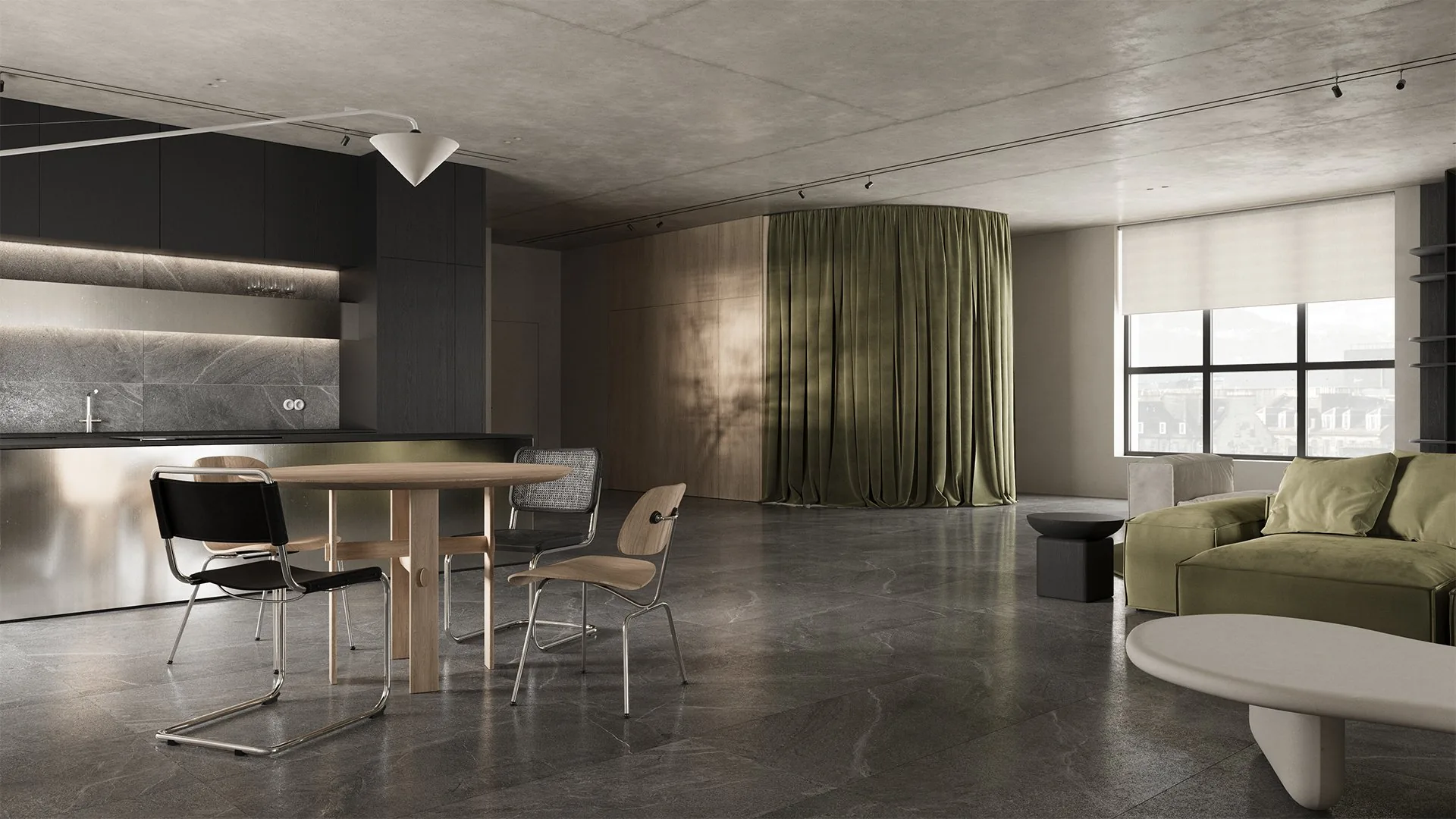
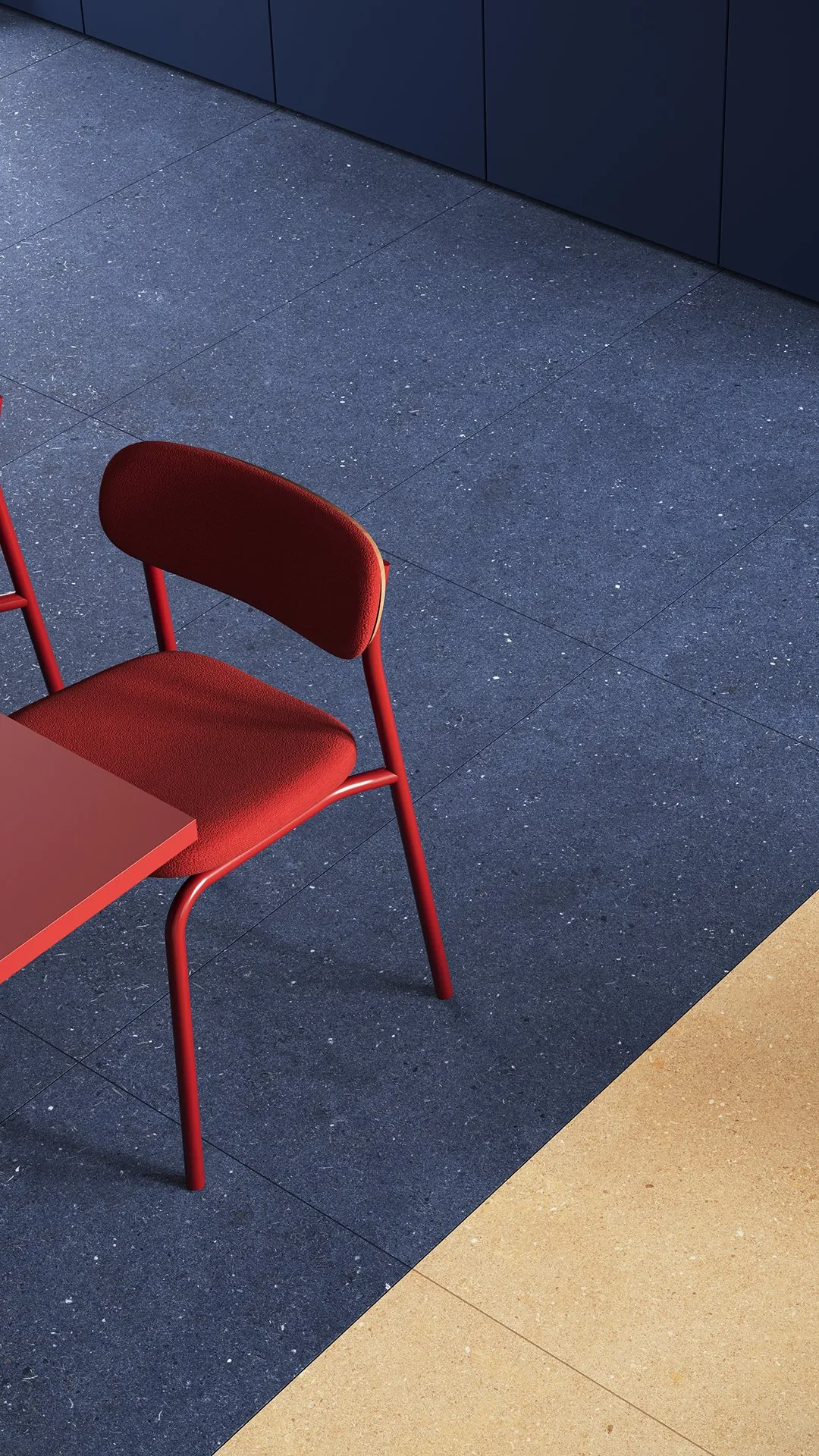
A launch on this scale means an entire visual language that has to work at the same moment on social media, with distributors, in print and at trade shows. At a manufacturer, the same materials go out through more than a dozen channels in parallel.
Any drift in style — between one collection and the next, between a packshot and a room set — shows up immediately. Stargres needed a coherent visual system that would hold one character across all 13 collections and be ready to work in every channel.
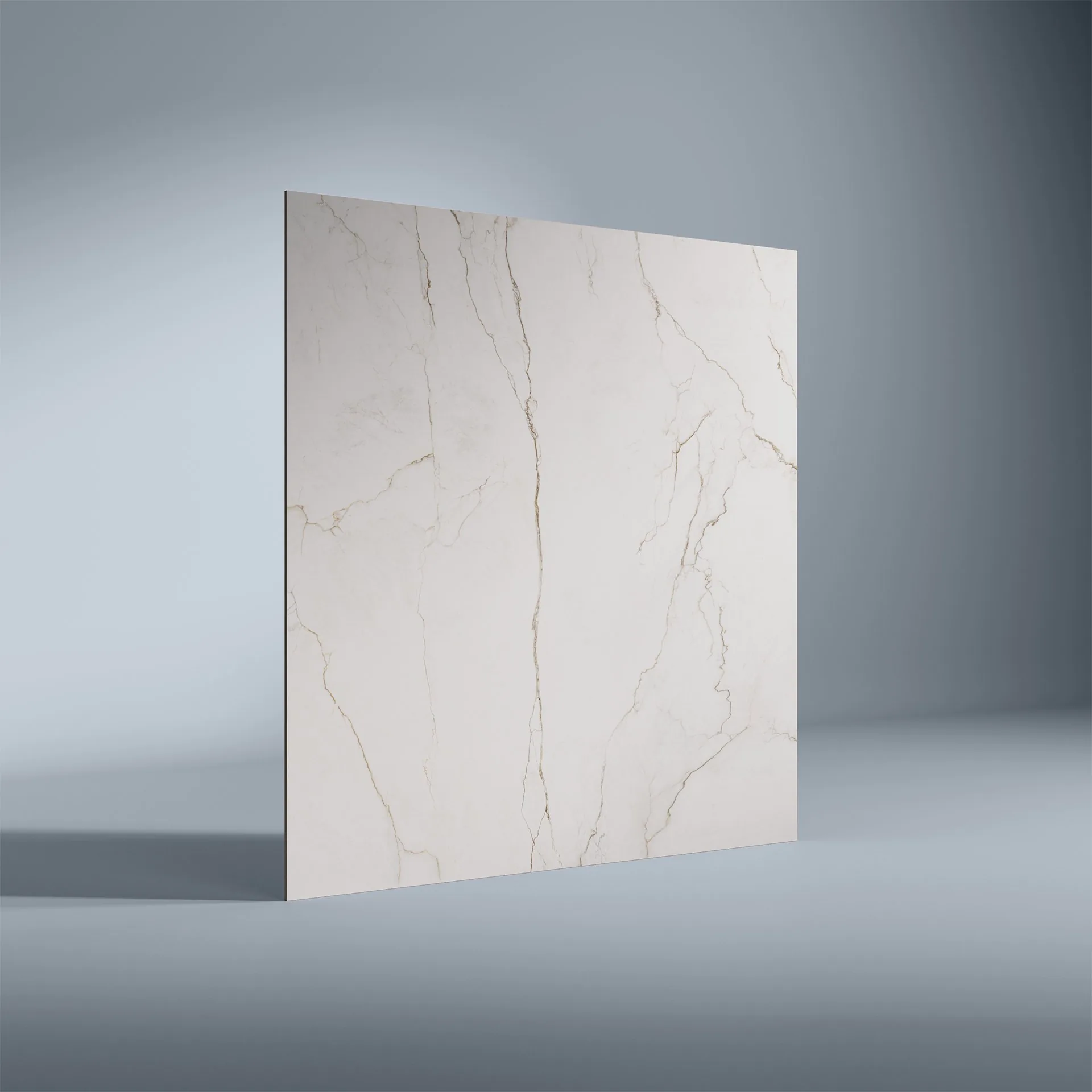
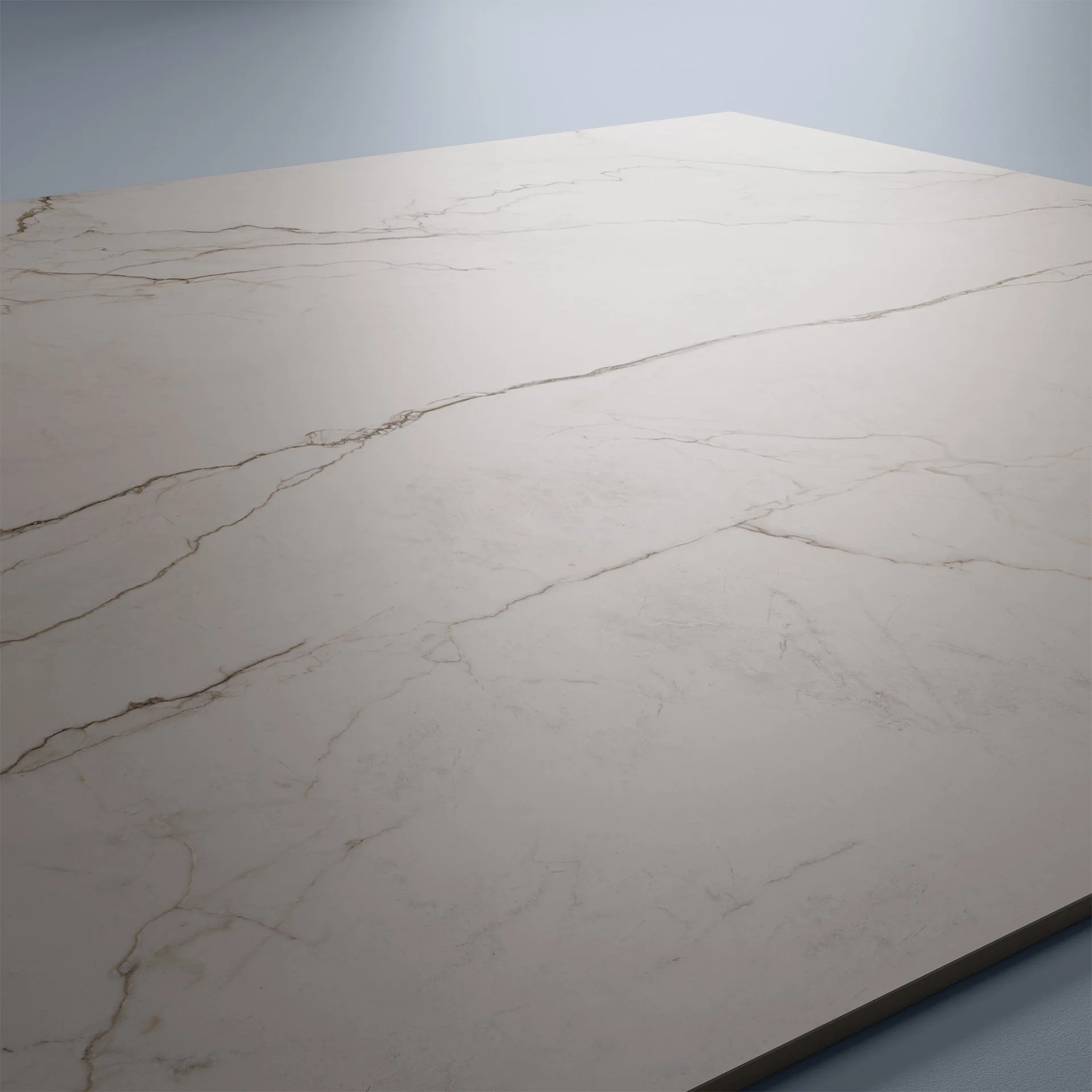
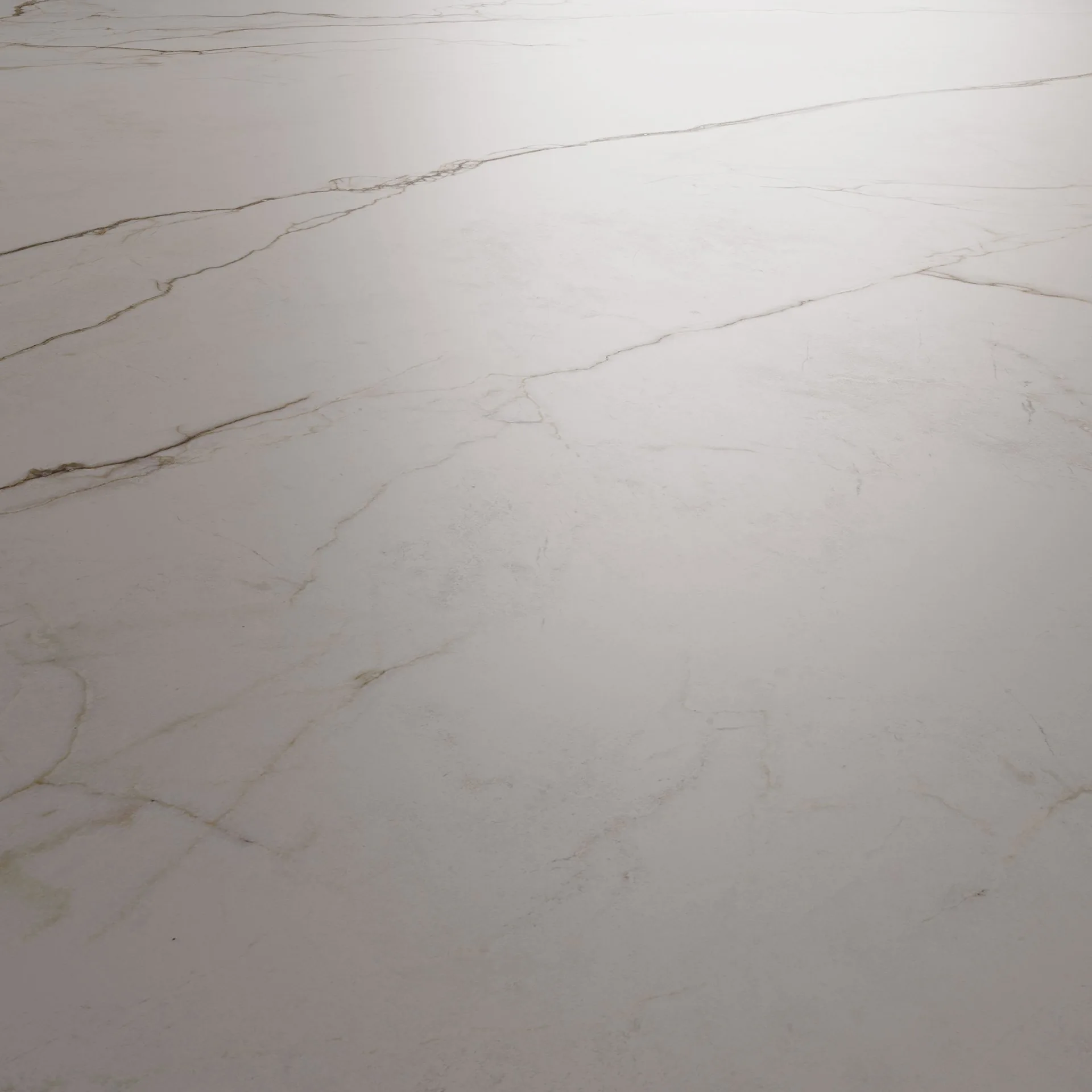
The stakes were higher still because the end audience for this material is architects and designers — people who live with design every day. They spot anything false in a fraction of a second, so mediocre material works against the brand.
Stargres wanted to have that conversation as a premium brand: one that understands design is the heart and the head of every project, not an add-on to the technical sheet. Which meant the renders had to be true to the tile and hold up aesthetically in front of the most demanding eyes on the market.
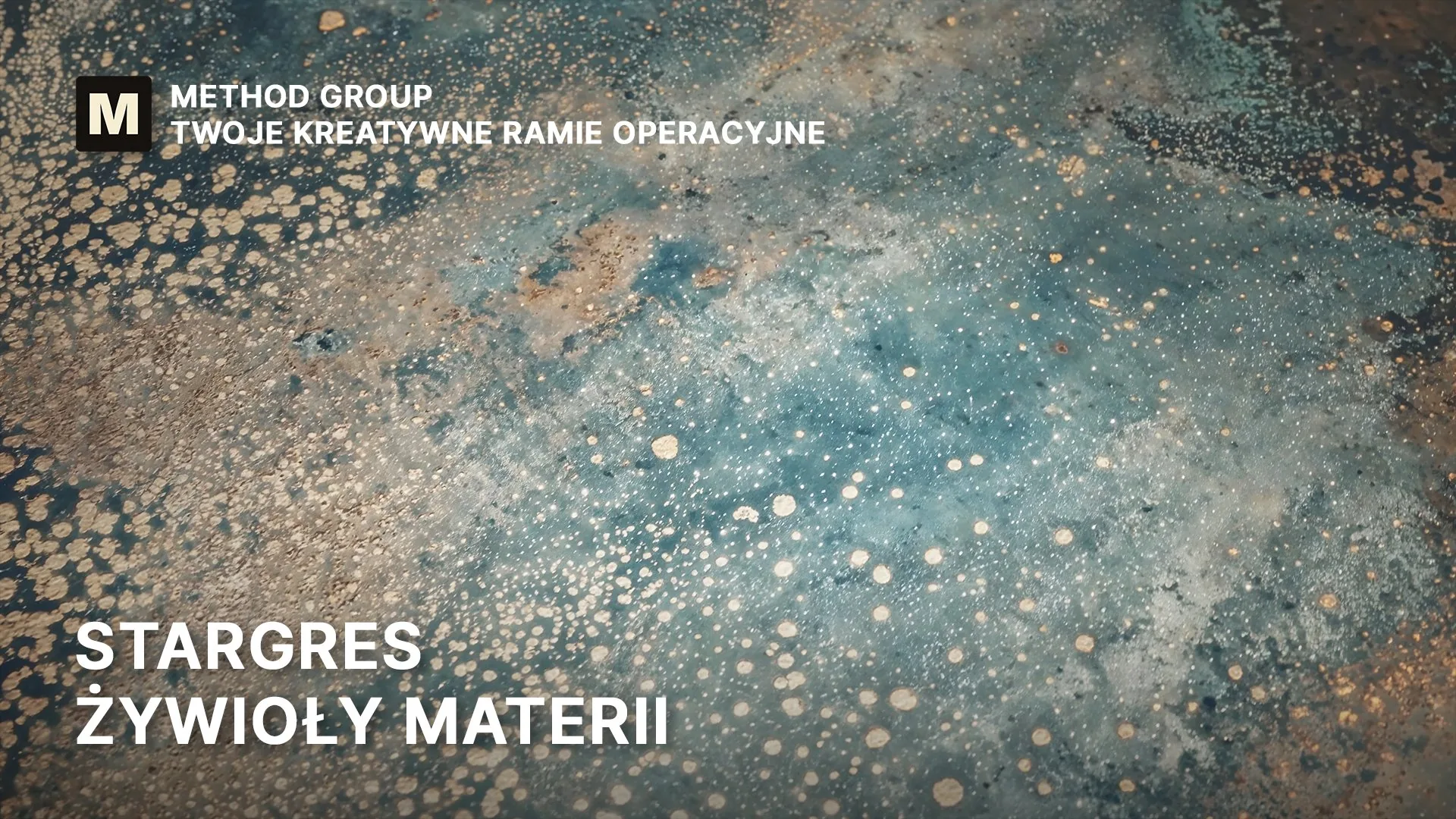
Watch the film on YouTube ↗
Stargres handles the design and technology of the tiles. Our job was to translate the character of each of the 13 collections into the language of architecture and image. We started with strategy workshops on visual communication and ended with a library of 42 architectural concepts, delivered continuously over six months.
All of it for social launches, distributor packs and promotion during Warsaw Home & Contract 2025. This wasn't the brand's first encounter with our production. Stargres was also one of the partners we produced the visual set-up for at ArchiDAY 2025.
All the material now lives in a single library inMethod Creative Hub. The Stargres marketing and sales team works from one consistent set, building room sets, posts, distributor materials and press releases out of it rather than searching drives and inboxes. One visual character, 13 collections, every channel.
Technical details
What exactly was produced
Every scene designed from scratch so that its architecture matched the character of that particular collection. No repeated, stock-looking interiors.
Tiles in fully designed spaces, ready for campaigns, catalogues and distributor displays.
Clean product shots for e-commerce, product sheets and sales materials.
From short social formats to longer brand pieces showing the collections in motion.
Before the first render existed we settled the look and the feel of the animation: photographic or cinematic, people in shot or not, emotion or technical detail. In parallel we worked through the audiences, architects and designers above all.
The team assessed the tiles in person: finishes, lappato and matt surfaces, colour in real light. The renders show the actual material, not an approximation of it.
The material arrived in stages, against fixed dates: social launches, distributor packs and promotion at Warsaw Home & Contract 2025.
All of it organised in Method Creative Hub. An asset that keeps working, ready for marketing and sales to use at any moment.
FAQ | FREQUENTLY ASKED QUESTIONS
Product visualisation: questions and answers
Renders that show a tile in a fully designed space so faithfully that they are hard to tell from a photograph: correct light reflection, surface texture and true material colour. We produced 672 of them for the New for Spring 2026 collections, and to make the photorealism real the team assessed the tiles in person at the factory in Końskie.
They let you show a collection in dozens of settings without building a physical display or running a photo shoot. For Stargres we rendered 13 collections across 42 architectural concepts: the same material on the floor, on the wall, in a bathroom and on a façade, in any light.
A clean product shot with no surroundings, for product sheets, e-commerce, catalogues and sales platforms. For Stargres we produced 210 packshots alongside the room sets; they need no photo shoot, so they work before the product comes off the line.
We don't work from a fixed price list. The cost depends on the number of scenes, the formats and the size of the collection. Most often we deliver through a subscription, Method Creative Hub, where every job is priced in points before it starts.
For the launch of a whole collection, 3D wins on every count: no samples, no studio, no logistics, and the material exists before the product comes off the line. For 13 collections at once a shoot would have been impossible in the time. From one model you get the room set, the packshot and the animation.
AI is good for finding a direction quickly, but where fidelity to the product matters — the colour of the stoneware, the texture, the way light reflects — 3D is the answer. For Stargres, with architects as the audience, we went with full 3D. In practice the two approaches can be combined.
Yes. For Stargres we delivered more than 56 minutes of animation and two commercial films, from short social formats to longer brand pieces. From one 3D project we generate versions for different channels, so Instagram, the trade-show screen and YouTube all come from the same source.
A good agency doesn't stop at a handsome render. It starts by understanding how the material has to work in sales, on social media, with distributors and at trade shows. We began the Stargres engagement with strategy workshops and finished with a library ready for every channel.